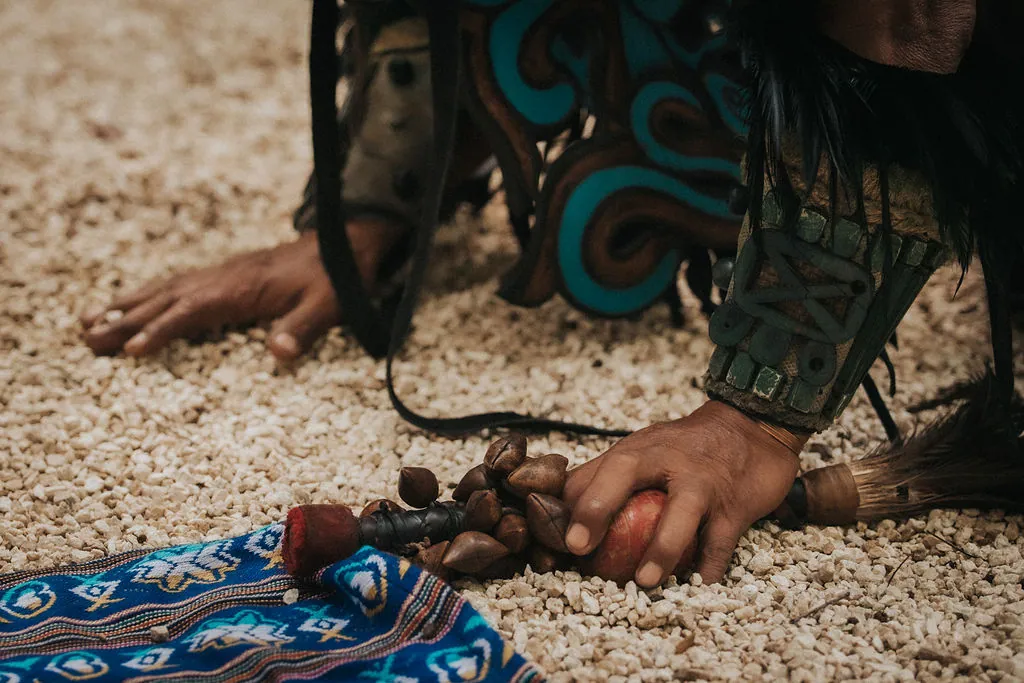
In today's fast-paced, hyper-connected work environment, peak performance comes not just from technical skill, but from connection, clarity, and collective purpose. A well-designed corporate retreat in Mexico creates the environment to nurture these, through activities that help teams recharge, align, and evolve. Here are the kinds that work. (See the benefits of a corporate retreat.)
What activities on corporate retreats in Mexico actually strengthen teams?
The most effective blend connection, reflection, and shared experience: facilitated team sessions and honest dialogue, nature immersion, movement and breathwork, creative or ceremonial activities, and genuine downtime. The aim isn't forced fun, it's presence and trust, helping people show up as humans, which is what truly bonds a team. Wikipedia's overview of team building summarises what research has found about which kinds of activity actually change how a team works.
Balance is everything
Mix purposeful sessions (alignment, vision, communication) with restorative, connective experiences and real rest. That rhythm lets a team do meaningful work and genuinely connect. Lunita's corporate arm, Team Circle, designs team retreats in two tracks, Raíz for traditional, in-person companies and Archipelago for distributed and remote teams, so the experience fits how your team actually works. Explore hosting at Lunita or book a discovery call.
The one question that sorts the options
Does the activity need the team to be honest with each other, or only to be in the same place? Rope courses, cooking classes and beach games put people in the same place. Facilitated dialogue, silence, shared physical work and ceremony ask for honesty, and honesty is what a team is short of.
Sort every proposed activity by that question. Keep a few from the first kind for rest. Build the retreat on the second.
What to be skeptical of
Agendas that fill every hour. A team that never has an unclaimed afternoon never has the conversation that changes something.
Activities that promise bonding by Friday. We distrust the word. What we see is quieter: two colleagues who finally say the true sentence, a leader who listens through a whole silence. If someone above you needs the case in numbers before the quiet results, our look at the return on a corporate retreat ties wellbeing to productivity and retention.
Venues with a conference room and a view. A corporate retreat in the jungle works because the setting removes the office. Starlink covers the whole property, so going offline for the days is a decision the team makes on purpose, and that is the feature, not the flaw.
Activities that work at Lunita, by time of day
Mornings are for the honest work: a facilitated session in the glass shala, a breath practice first to bring people into the room, then dialogue with a clear question on the table. Two hours is enough. Three is too many.
Middle of the day is unclaimed. Lunch cooked on site, the cenote-fed pool, a hammock. The conversation that matters usually starts here, between two people, and no facilitator can schedule it.
Afternoons carry the shared physical thing: the private cenote ten minutes away, a walk under the canopy, planting a tree on the land. Evenings hold a meal together and, for teams that want it, a temazcal or a sound session, with no belief asked of anyone.
Sizing the retreat to the team
Twenty people is the ceiling, across eight cabanas and a mini apartment, and around twelve is where the format is at its best. Bigger companies send a leadership team, or run two cohorts in successive weeks.
Three nights is the shortest stay that does something; four is the usual. The first day is arrival and the last is packing, and the facilitated work needs at least two full days with a quiet one between them.