Choosing a Cacao Ceremony Retreat in Mexico
- Nico Rossi
- Mar 27
- 6 min read

The difference between a pleasant wellness trip and a truly transformative retreat is often felt before the first ceremony begins. You notice it in the way the land holds you, in the care of the facilitators, and in whether the experience feels curated for real healing rather than performance. If you are searching for a cacao ceremony retreat in Mexico, that distinction matters.
Cacao work is intimate. It is heart-opening, emotionally honest, and often surprisingly gentle in the way it brings buried feelings to the surface. Mexico can be a powerful place for that process, especially when the retreat environment is rooted in nature, guided with maturity, and designed as a safe container rather than a spiritual spectacle.
Not every retreat offers that depth, and not every guest is looking for the same kind of experience.
The right choice depends on what you need the medicine, the space, and the support to do for you.
What a cacao ceremony retreat in Mexico can offer
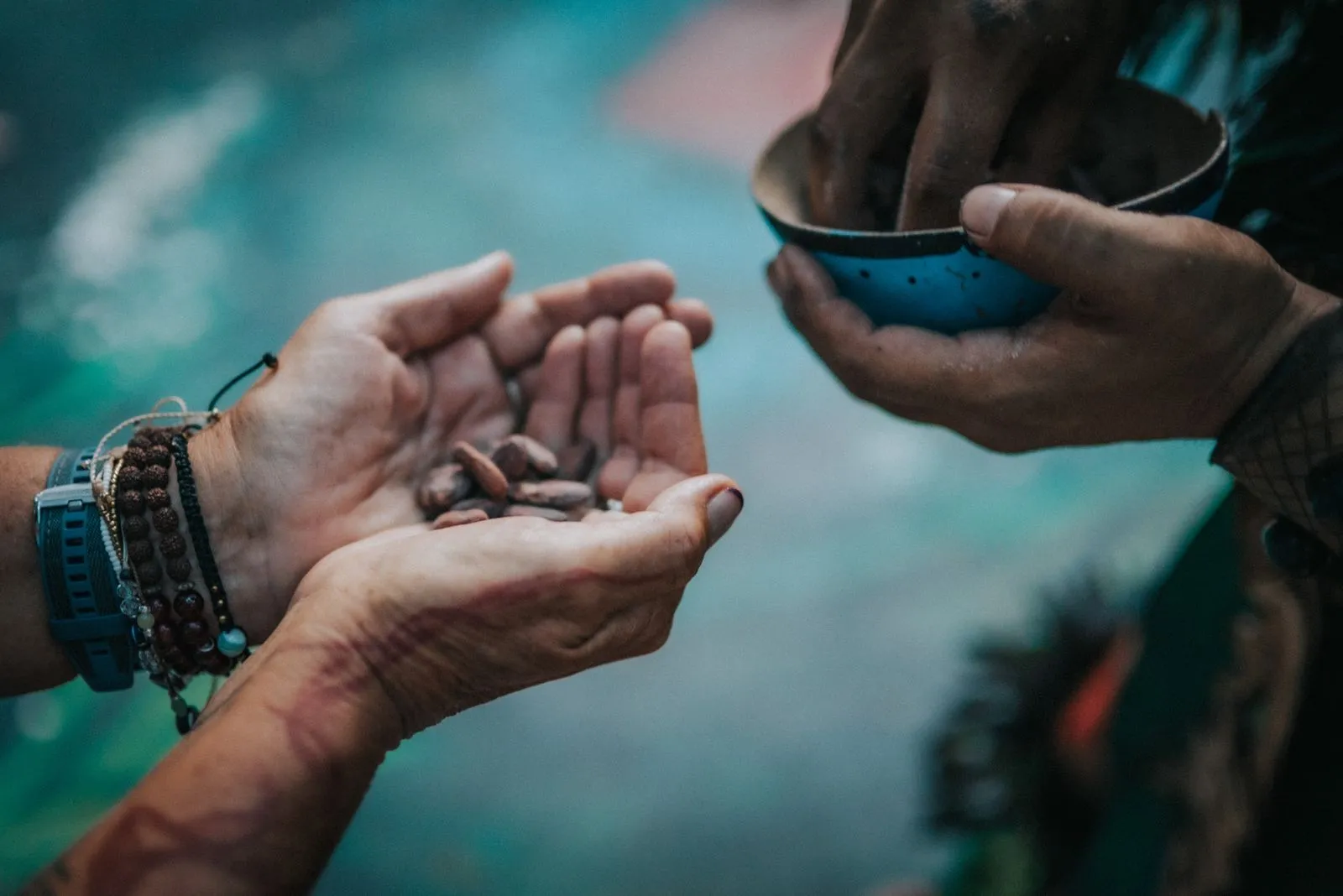
A cacao ceremony retreat is not simply about drinking ceremonial cacao in a beautiful place. At its best, it is a guided journey into presence, emotional release, connection, and remembrance. Cacao is often called a heart medicine, not because it overwhelms the system, but because it invites softness, truth, and deeper listening.
In a retreat setting, that experience can expand beyond the ceremony itself. The days around it matter just as much. Breathwork, journaling, sound healing, temazcal, movement practices, bodywork, nourishing meals, and time in the jungle or near water all shape how the ceremony is received and integrated. This is why the setting is not a small detail.
A retreat held on sacred land with intentional pacing tends to support a very different outcome than a packed itinerary built around novelty.
Mexico draws many seekers for good reason. There is living cultural memory here, rich natural beauty, and a pace that can help people soften out of overwork and overstimulation. But the word Mexico is broad. A retreat in a busy beach zone will feel different from one held in a private jungle sanctuary.
One may be energizing and social. The other may be more conducive to introspection, nervous system regulation, and deeper ceremony work. Neither is universally better. It depends on why you are coming.
How to choose the right cacao ceremony retreat in Mexico
Start with the facilitators. Cacao may be gentle compared with other sacred medicines, but the emotional field it opens can still be profound. You want to know who is guiding the space, how they approach trauma sensitivity, whether they understand group dynamics, and how they support participants before and after the ceremony. A beautiful altar does not guarantee skilled holding.
Next, consider the container itself. Some retreats focus on a single cacao ceremony as one activity among many. Others weave cacao into a larger healing arc with intention setting, embodiment practices, rest, and integration support. If you are craving meaningful change, the second model is often more supportive.
Transformation usually needs spaciousness. It rarely responds well to being squeezed between excursions.
The retreat environment matters more than many people expect. Privacy, natural surroundings, sleep quality, food, sound levels, and the overall energetic tone all affect how safe the body feels. When the nervous system settles, deeper work becomes possible. This is one reason many guests are drawn to jungle-based retreats near Puerto Morelos and the Riviera Maya. The land itself can become part of the healing process.
It is also wise to ask how the retreat relates to the local culture. Cacao has Indigenous roots and ceremonial significance. Ethical retreats do not treat that lightly. They approach the work with humility, reverence, and respect for lineage, land, and local wisdom. That does not always mean every retreat must follow the same form, but it should mean the experience is not stripped of meaning for the sake of aesthetics.
Signs of a retreat that is built for real healing
A strong retreat usually reveals itself in the details. You can feel when a space has been designed with care rather than assembled quickly for marketing. Clear communication before arrival is one sign. Thoughtful accommodations are another. So is a rhythm that balances guided practices with quiet time, because healing needs both support and room to breathe.
Look for a place that understands ceremony as part of a larger ecosystem of care. This may include private or shared cabanas that allow for rest, nourishing meals that feel grounding after deep work, and access to complementary modalities such as massage, meditation, yoga, or temazcal. When these elements are integrated well, they help participants move from emotional opening into embodied stability.
For retreat leaders, the same principle applies at the program level. A meaningful cacao experience needs operational support behind the scenes. Transportation, lodging flow, meal timing, ceremony setup, and onsite hosting all shape the quality of the participant journey. A venue that can hold both the sacred and the logistical is not a luxury. It is often what allows the facilitator to stay present with their group.
This is where a place like Lunita Jungle Retreat Center can feel especially aligned for leaders and guests who want more than a backdrop. The jungle setting, ceremonial spaces, temazcal, wellness offerings, and high-touch retreat support create a container where heart-led work can be held with both reverence and structure.
What kind of guest benefits most from cacao work
People often come to cacao ceremonies during seasons of transition. A relationship has changed. Burnout has dulled their inner voice. Grief feels lodged in the chest. Life looks functional from the outside, but something essential feels far away. Cacao does not fix these realities. What it can do is help you meet them with more honesty, tenderness, and capacity.
This kind of retreat can also be beautiful for couples and families when guided thoughtfully. Cacao often supports communication, compassion, and reconnection. Still, group composition matters. A solo healing retreat may feel very different from a couples-centered gathering or a retreat that mixes personal work with social connection. Read the intention of the program carefully instead of assuming all cacao retreats offer the same emotional experience.
For some guests, cacao is an entry point into ceremony because it feels accessible and grounding. For others, it is part of a long spiritual path. Both are welcome when the retreat is well led. What matters most is not how experienced you are, but whether you are willing to arrive with openness and self-responsibility.
Questions worth asking before you book
Before committing, ask what the retreat is really centered on. Is cacao the heart of the experience, or one feature among many? Ask how large the group will be, whether there is one-on-one support available, and what kind of integration is offered. If you have dietary needs, emotional sensitivities, or health concerns, bring them forward early. A trustworthy retreat team will welcome that conversation.
You may also want to ask about pace. Some guests want a deeply restorative experience with spacious mornings, jungle silence, and a few potent practices. Others want a fuller schedule with workshops, cultural experiences, and movement. Neither approach is wrong, but mismatch can leave people feeling undernourished or overwhelmed.
And pay attention to your own body as you research. Sometimes the right retreat makes practical sense on paper but still feels off. Sometimes a place feels like an immediate exhale. Discernment is not only mental. Especially with heart-centered work, the body often knows first.
The role of place in ceremony
There is a reason so many people seek healing in nature. The land helps regulate what modern life fragments. In the jungle, you begin to hear yourself differently. The constant demand to perform softens. Breath deepens. The body remembers it belongs to something larger.
That is why the most meaningful cacao experiences are rarely only about the cup. They are about what the cup opens inside a well-held environment. The birds at dawn. The quiet after tears. The warmth of a shared meal. The feeling of being witnessed without needing to explain everything. Ceremony becomes less of an event and more of a relationship - with self, with community, and with the living world around you.
If you are choosing a cacao ceremony retreat in Mexico, let beauty matter, but let depth matter more. Choose the place that feels capable of holding your humanity with care. When the setting is intentional and the support is true, cacao can meet you gently - and still change the way you listen to your own heart.


It would be interesting to explore how these experiences could enhance focus, much like the strategic thinking in Drift Boss.