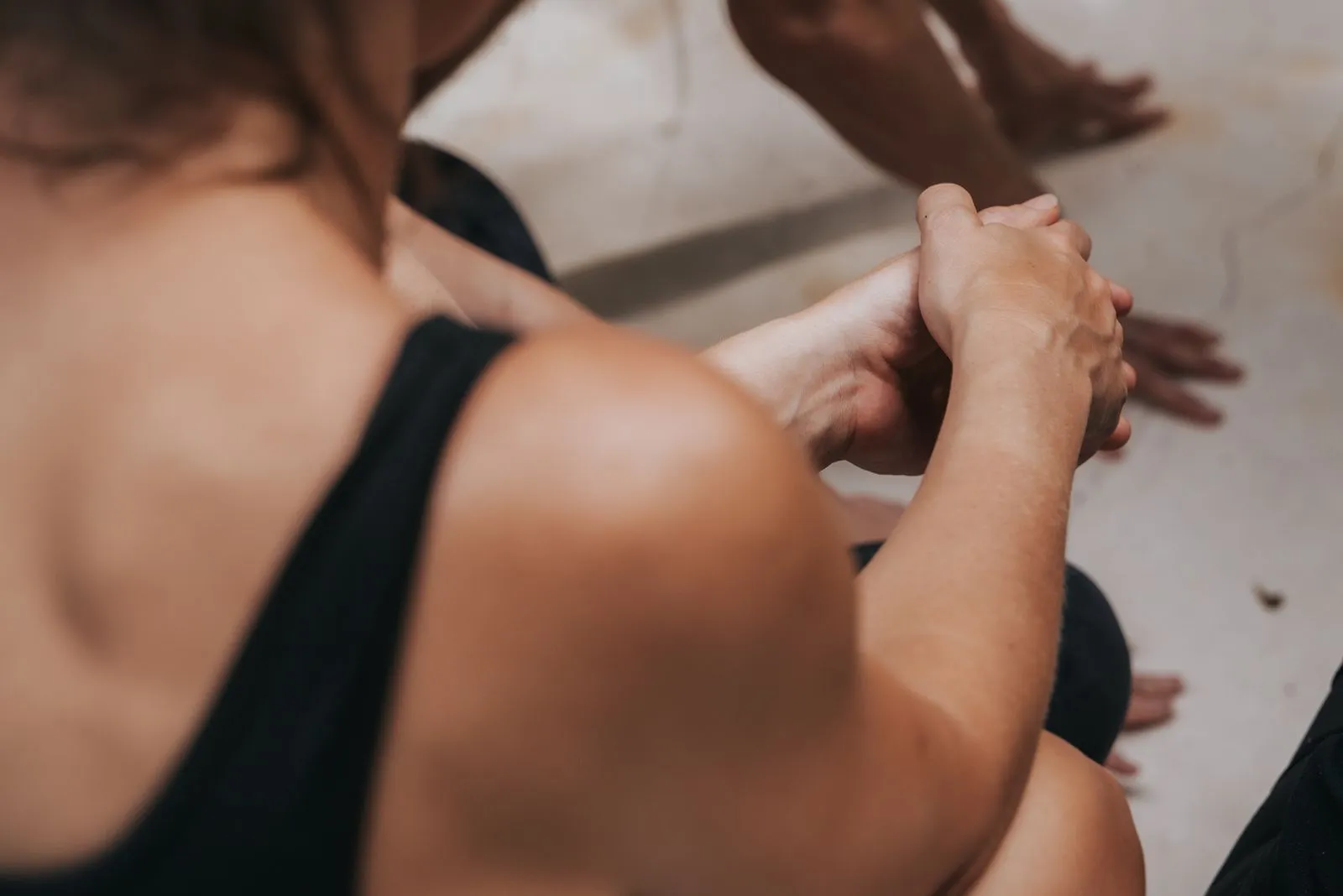
Couples Healing Retreat With Ceremony and Massage
- Lorenza Rossi
- Apr 20
- 6 min read
Some couples do not need another vacation. They need a pause deep enough to hear each other again.
A couples healing retreat with ceremony and massage creates that kind of pause. It is not built around packed itineraries, crowded resorts, or polished distractions. It is built around presence - the kind that returns when the nervous system softens, when conversation becomes honest, and when two people are held in a setting that honors both tenderness and truth.
For some partners, this kind of retreat comes after a hard season. For others, it is chosen before disconnection turns into distance. In both cases, the intention is similar: to step outside daily roles and remember the bond beneath the logistics, the stress, and the habits that can slowly dull intimacy.
What makes a couples healing retreat with ceremony and massage different
A standard getaway can help you rest. A healing retreat is designed to help you restore. That difference matters.
Ceremony brings meaning to the experience. It creates a container where a couple can mark a transition, release accumulated emotional weight, or call in a new chapter with intention. Massage supports the body in that same process. It eases tension stored in the muscles, slows racing thoughts, and helps each person feel safe enough to be present.
When these elements are woven together in a natural setting, the effect can be profound. The body relaxes first. Then the heart has more room to speak.
This does not mean every retreat is intense or highly emotional. Some couples arrive simply exhausted and need gentle care, nourishing meals, quiet mornings, and restorative touch. Others are navigating grief, trust repair, burnout, or a sense that they have lost the sacredness of their connection. A well-held retreat can meet both needs, but the rhythm and depth should match the couple, not a fixed formula.
Why ceremony matters in relationship healing
Ceremony offers something modern life rarely does - a clear moment to stop, witness, and choose.
In relationship healing, that can be powerful. A guided ritual can help couples speak vows they never had the chance to say, release old resentment, honor what has survived, or set intentions for how they want to love moving forward. The purpose is not performance. It is sincerity.
In a spiritually grounded retreat setting, ceremony may include meditation, breathwork, prayer, sound, altar work, fire, or traditional practices offered with cultural respect. In the Riviera Maya, for example, healing spaces that honor the land may also include temazcal experiences or sacred gatherings shaped by ancestral wisdom. What matters most is that the ceremony is facilitated with integrity, not treated like a trend.
There is also a practical side to ceremony. Couples often struggle to have meaningful conversations at home because they are interrupted by tasks, phones, or emotional defenses. Ceremony changes the pace. It slows the moment down enough for each person to feel what is true.
The role of massage in a couples healing retreat
Massage is sometimes treated as a luxury add-on. In a healing retreat, it can be part of the deeper work.
Stress, grief, conflict, and emotional suppression all live in the body. Tight shoulders, clenched jaws, shallow breathing, digestive strain, and chronic fatigue often tell the story before words do. Therapeutic bodywork helps release those patterns so a couple is not trying to reconnect while still carrying so much physical charge.
For some partners, receiving massage in the same retreat container supports co-regulation. One person relaxes, the other follows. The pace between them begins to harmonize. Even when sessions happen individually, the shared experience of being cared for can restore softness to the relationship.
It also helps that massage brings people out of problem-solving mode. Many couples are not lacking love. They are stuck in management. Schedules, parenting, finances, responsibilities, and old loops can make the relationship feel like a project. Bodywork interrupts that pattern and reminds both people that healing is not only mental. It is embodied.
What to expect from the experience
A thoughtful couples retreat should feel like entering a safe container, not a performance of wellness.
Most experiences begin with intention setting. This is where the couple and facilitators clarify what is needed: rest, reconnection, emotional repair, spiritual grounding, or a blend of all four. From there, the retreat may include private accommodations, massage sessions, guided ceremony, meditation, nourishing food, time in nature, and spacious moments to simply be together without pressure.
The setting matters more than many people realize. Nature helps regulate the nervous system in quiet ways. The sound of birds at dawn, warm air moving through trees, jungle paths, candlelight, and open sky all support a couple in coming out of vigilance and back into receptivity. This is one reason destination retreats can be so effective. The environment itself begins to participate in the healing.
At a place like Lunita Jungle Retreat Center, that support can be felt through the whole design of the experience - private cabanas, ceremonial spaces, a traditional temazcal, nourishing meals, and guided care held within the living presence of the Mayan jungle. The setting does not rush transformation. It holds it.
Choosing the right couples healing retreat with ceremony and massage
Not every retreat will serve every couple in the same way. A beautiful website is not enough. The quality of the container matters.
First, look at how the retreat approaches healing. Is it grounded, respectful, and personalized, or does it promise dramatic breakthroughs for everyone? Real healing is not one-size-fits-all. Some couples need gentle restoration. Others want direct facilitation and structured practices. The best retreat is the one that can meet you where you are.
Second, pay attention to the relationship between spirituality and professionalism. This is especially important when ceremony is involved. You want a team that creates warmth and reverence, but also communicates clearly, sets expectations, and offers a sense of emotional safety. A retreat can be heart-centered without being vague.
Third, consider the balance of togetherness and individual space. Some couples imagine constant side-by-side time, but healing often asks for both connection and room to breathe. Separate massage sessions, solo reflection time, or quiet walks can make shared moments more honest and nourishing.
Finally, ask whether the retreat honors the land and local traditions with care. If sacred practices are part of the experience, they should be offered with integrity rather than aesthetic appeal. This is not a small detail. Respect shapes the whole field of the retreat.
When this kind of retreat helps most
A couples healing retreat can be supportive at many stages of a relationship. It is especially meaningful when a couple feels emotionally tired, stuck in conflict, disconnected physically, or overwhelmed by life transitions.
It can also be a beautiful choice during seasons that are not crisis-driven. Some couples come to renew vows privately, mark an anniversary with intention, or deepen a bond that already feels strong. Healing is not only for what is broken. It is also for what is ready to become more conscious, more embodied, and more alive.
That said, a retreat is not a substitute for every kind of support. If a relationship is dealing with severe trauma, active abuse, or acute mental health concerns, a therapeutic retreat may need to be paired with licensed clinical care. The most ethical retreat spaces are clear about that. Spiritual care and bodywork can be deeply supportive, but they should not pretend to replace specialized treatment where it is needed.
What couples often carry home
The visible outcome may look simple. Couples leave softer. They touch more easily. They speak with less defensiveness. They remember how to enjoy each other.
But what they often carry home is deeper than that. They leave with a shared memory of being intentional together. They leave with the felt sense that repair is possible. They leave with practices, language, and embodied calm that can continue beyond the retreat.
That is the quiet power of a healing experience done well. It does not force a transformation on the relationship. It creates the conditions where truth, care, and connection can rise to the surface.
If you are considering this path, let the question be simple: not what looks most impressive, but what feels most honest for your relationship right now. The right retreat will meet you there - gently, skillfully, and with enough space for love to breathe again.


Comments