Jungle Retreat vs Beach Retreat: Which Fits?
- Lorenza Rossi
- May 22
- 6 min read
Some retreat decisions look simple until you feel them in your body. The choice between a jungle retreat vs beach retreat is one of them. On paper, both promise rest, beauty, and a break from daily noise. In practice, they create very different emotional landscapes, and that difference matters when you are planning a healing journey, hosting a retreat, or choosing the right environment for meaningful change.
A beach retreat often speaks first to openness. The horizon is wide, the light is bright, and the rhythm is outward. People tend to arrive expecting ease, pleasure, and release. There is a natural exhale that happens by the ocean. Shoes come off quickly. Shoulders soften. The body recognizes spaciousness.
A jungle retreat works differently. It holds rather than broadcasts. The air feels denser, the senses sharpen, and the experience becomes more internal. Instead of looking far into the distance, you are invited to listen closely. Birdsong replaces traffic. The scent of earth and rain replaces salt and sunscreen. For many people, the jungle does not simply help them relax. It helps them remember what they have been carrying.
That does not make one better than the other. It means each setting supports a different kind of transformation.
Jungle retreat vs beach retreat: what changes in the experience?
The setting of a retreat is not decoration. It shapes the nervous system, group dynamics, energy levels, and the kinds of practices that land most deeply.
At the beach, people often feel immediate lightness. The environment supports play, movement, celebration, and emotional release with a softer edge. Morning walks on the sand, ocean dips, and sunset gatherings naturally create moments of joy and connection. For groups centered on relaxation, lifestyle reset, creativity, or relationship reconnection, this openness can be a beautiful ally.
In the jungle, the experience tends to ask for presence. Sound behaves differently. Time feels slower. Even silence feels alive. This can be especially supportive for guests who are seeking depth rather than distraction - people moving through grief, burnout, transition, spiritual awakening, or a need to return to themselves with honesty. The jungle often becomes a container, not just a backdrop.
For retreat leaders, this distinction is practical as much as spiritual. If your program is built around ceremony, embodiment, meditation, inner child work, trauma-informed healing, or community ritual, a jungle environment can add coherence to the work. If your retreat is designed around leisure, social bonding, light wellness, and easy access to familiar vacation comforts, the beach may feel more aligned.
The nervous system tells the truth
One of the clearest differences in the jungle retreat vs beach retreat conversation is how the body responds over time.
The beach usually offers fast regulation. Open water, repetitive waves, and natural light help many people settle quickly. It is easier for some guests to trust an experience that feels familiar and spacious from the start. If someone is new to retreats or hesitant about deep emotional work, the beach can feel approachable.
The jungle can take a little longer to open, but it often reaches deeper. Its sensory richness invites attention inward. The rustle of leaves, the calls of unseen animals, the humidity on the skin, the darkness at night - all of it can bring people into a more instinctive relationship with themselves. That can be profoundly healing, but it also requires good facilitation and a thoughtfully held space. Depth without support can feel overwhelming. Depth with support can feel life-changing.
This is why the venue matters as much as the landscape. A sacred, well-organized jungle retreat center with nourishing food, strong hospitality, intentional programming, and experienced onsite support can help guests feel safe enough to soften into real transformation.
For retreat leaders, your setting teaches before you do
Every retreat leader is shaping more than a schedule. You are shaping a field of experience. Before your first workshop begins, the land has already introduced your guests to the tone of the journey.
A beach setting often tells people, "You can relax now." That is powerful. It lowers defenses and encourages enjoyment. For certain brands and communities, that feeling is exactly right.
A jungle setting says something different: "Come closer. Be here. Listen." For leaders whose work includes ceremony, somatic healing, spiritual practice, cultural reverence, or intimate group process, that message can strengthen every part of the retreat. The environment reinforces the intention.
This also affects logistics and expectations. Beach retreats may invite more outside activity, nightlife temptations, and a vacation mindset. That is not inherently negative, but it can dilute focus if the retreat is meant to be immersive. Jungle retreats, especially in a thoughtfully designed sanctuary, often create fewer energetic exits. Guests tend to stay with the process because the setting itself encourages presence.
For hosts, that can mean stronger group cohesion, more meaningful breakthroughs, and a clearer sense of shared purpose.
When a beach retreat is the better choice
There are times when the beach is exactly the medicine.
If your audience is craving lightness after a hard season, the ocean can be deeply restorative. If your retreat includes surfing, playful movement, couples connection, or a gentle wellness reset, the beach may support that journey with grace. It is also often easier for travelers who want a balance between structured retreat time and familiar comfort.
Beach environments can be ideal for milestone gatherings, friend groups, and first-time retreat guests who want transformation without feeling like they are stepping too far outside their comfort zone. The accessibility of the beach can lower resistance and make participation feel easy.
For companies and teams, a beach retreat can also work well when the goal is morale, celebration, and spacious conversation rather than deep internal work. The environment naturally supports openness and informal connection.
When the jungle becomes the medicine
There are seasons when surface-level rest is not enough. A person may not need another beautiful view. They may need a place where they can hear their own truth again.
That is where the jungle becomes powerful. Its intimacy helps strip away performance. Guests often sleep differently, breathe differently, and relate to time differently. Ceremony feels more rooted there. Meditation feels less like a task and more like a return. Workshops that ask for honesty, vulnerability, and embodiment often land with greater depth because the environment is already teaching surrender.
For individuals, couples, and families seeking emotional healing, spiritual renewal, or a reset that reaches the roots, the jungle can offer a kind of privacy the beach rarely does. Not isolation, but protection. The sense of being held by the land matters.
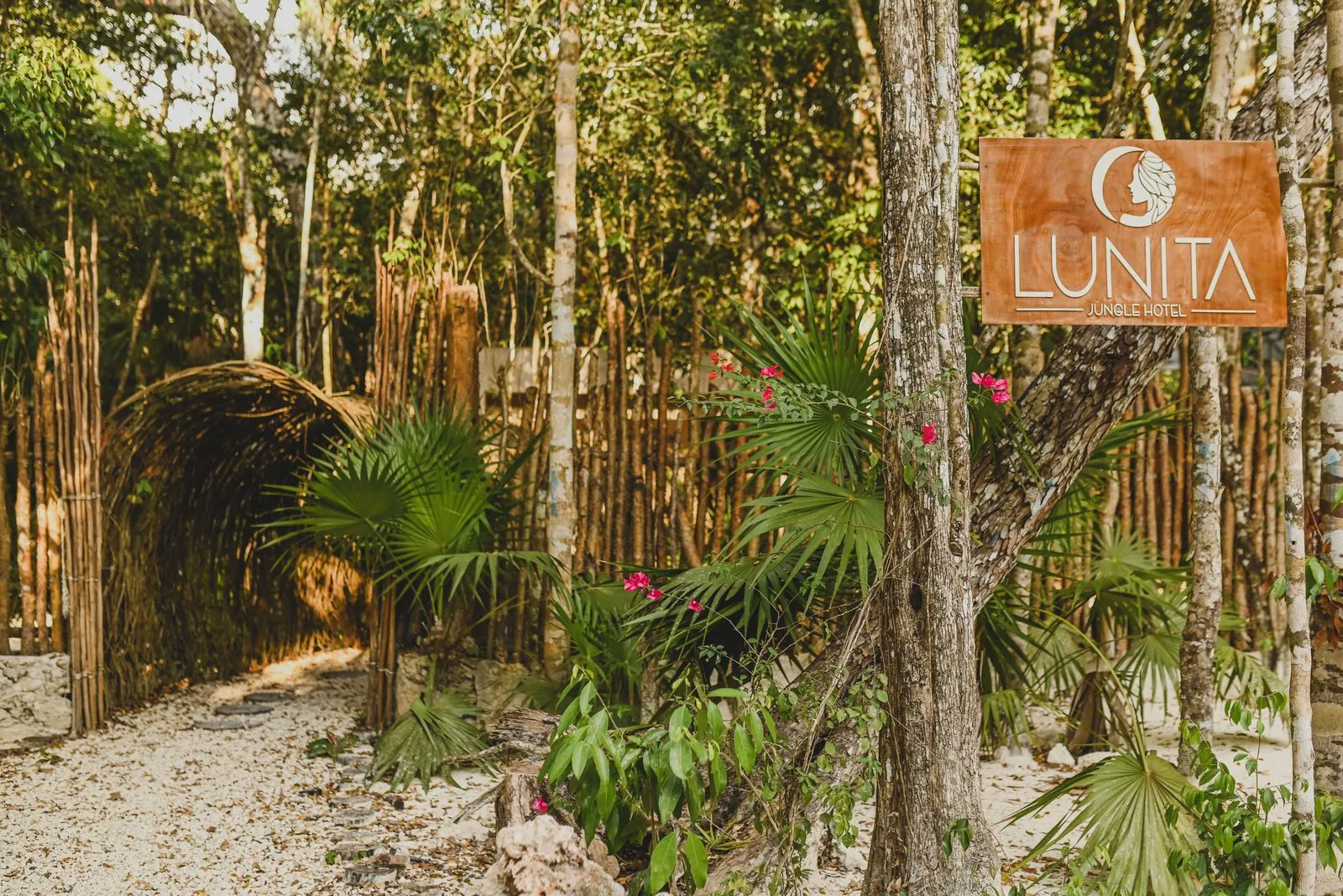
For retreat leaders, that containment can be invaluable. A place like Lunita Jungle Retreat Center offers more than lodging in nature. It creates a safe container for guided transformation through intentional spaces, ceremonial infrastructure, nourishing meals, and high-touch support that allows leaders to focus on the integrity of their work while guests feel genuinely cared for.
The real question is not scenery. It is intention.
People sometimes frame the jungle retreat vs beach retreat choice as a matter of taste. Do you prefer palm trees or ocean waves? Sunsets or canopy shade? Those details matter, but they are not the deepest layer.
A better question is this: what is the retreat truly for?
If the purpose is rest, play, celebration, or an easy softening into wellness, the beach may be perfect. If the purpose is inner listening, sacred work, emotional release, or transformation held in community, the jungle may offer stronger alignment.
There is also room for nuance. Some guests need the beach first, then the jungle later. Some leaders build programs that blend both energies through excursions and ritual design. Some teams arrive wanting strategy and leave realizing they needed reconnection. The wisest choice is the one that honors where people are, not where you think they should be.
A retreat changes people most when the setting, the program, and the care around it are all speaking the same language.
So if you are choosing between the wide horizon and the living canopy, listen beneath the aesthetics. Ask what kind of exhale you want to create. Ask what your guests need to feel safe enough to open. Ask whether this season calls for expansion or for rooted return.
The right retreat setting is the one that helps people come home to themselves, gently enough to trust it and deeply enough to remember it.


Unless I stayed patient throughout the learning process in Geometry Dash, many difficult achievements would have remained out of reach.