What to Bring to a Retreat in Mexico: The Jungle Packing Guide
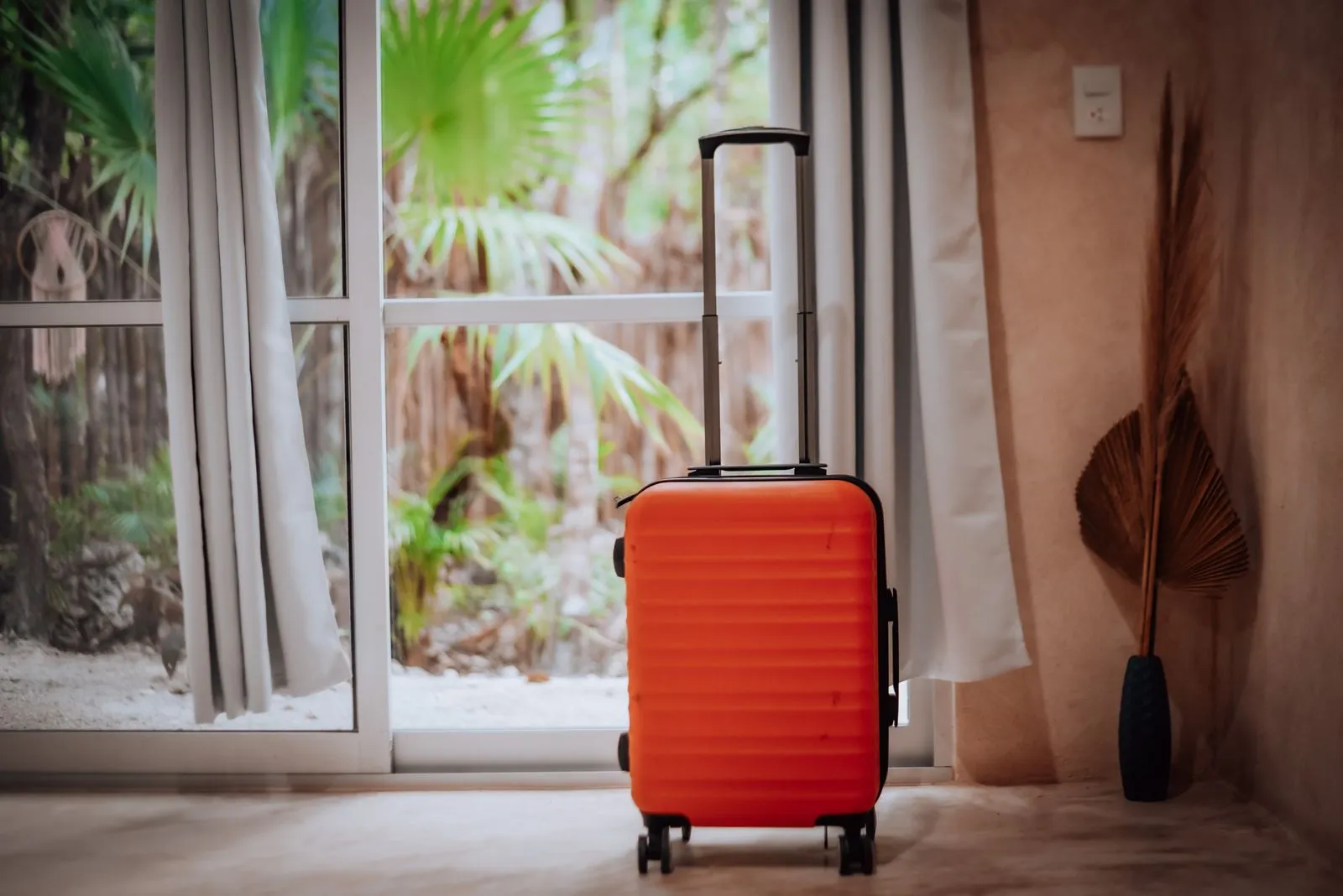
Packing for a jungle retreat is its own small art: the Riviera Maya is hot, humid, alive, and wet in ways a beach vacation isn't, and ceremony retreats add a layer most packing lists never mention. This is the list we wish every guest had: what actually matters, what the jungle will punish you for forgetting, and what to leave at home.
The short list, if you read nothing else
- What to wear
- Light, loose, breathable natural fibers and quick-dry fabrics, plus one light layer for cool evenings and cold airport transfers
- Green season
- May to October, when a packable rain layer earns its space
- The cenote rule
- Cenotes are no-sunscreen water. The system is a living, connected underground river
- Insect protection that works
- DEET at 20 to 30 percent, or picaridin at 20 percent. Picaridin has no smell and does not melt plastics
- For ceremonies
- White or light-colored, comfortable clothing
- Documents
- A passport valid past your stay, a photo of it in your phone, and one paper copy packed separately
- Leave at home
- Heavy wardrobe ambitions
Ten things that cover the essentials: clothing, shoes, swimwear, insect protection, biodegradable toiletries, a water bottle, a headlamp, a journal, and your medications.
- Lightweight, breathable clothing (natural fibers earn their keep here)
- One light layer for cool evenings and air-conditioned transfers
- A rain layer in the green season (May to October)
- Comfortable sandals and one pair of closed shoes for jungle paths
- Swimwear, the water here is half the point
- Insect repellent that actually works, plus after-bite
- Biodegradable toiletries, and the cenote sunscreen rule below
- A refillable water bottle
- A headlamp or small flashlight for jungle paths at night
- A journal, and prescription medications in their original packaging
Everything below is the why, plus the things lists forget.
What clothes should you pack for a jungle retreat?
Pack light, loose, and breathable: the Riviera Maya runs warm year-round, with real humidity, so natural fibers and quick-dry fabrics beat anything heavy. Add one light layer, evenings can cool, and airport transfers run cold, and, in the green season (May to October), a packable rain layer. Comfort beats style everywhere on a retreat; nobody is dressing up, and the jungle doesn't care.
Three specifics most lists miss. Modesty-flexible practice wear: clothes you can move, sweat, sit, and stretch in for days, more sets than you think, because humidity slows drying. Something white or light if your retreat includes ceremonies, covered below. A sarong or light scarf: the single most useful object in tropical packing: beach cover, ceremony wrap, cenote towel, bus blanket, modesty layer.
What shoes do you need?
Two pairs cover everything: comfortable sandals you can live in, and one pair of closed shoes, sneakers or light trail shoes, for jungle paths, evening walks, and any excursion. You do not need hiking boots; jungle retreat paths are walks, not treks. Water shoes are optional but pleasant for rocky cenote entries.
What should you bring for ceremonies?
If your retreat includes ceremonies, four things earn a place in your bag.
White or light-colored, comfortable clothing. Many traditions ask for it for ceremony nights. Your center will tell you their practice. Loose, modest, easy to sit in for hours.
A journal and pen. The most-used object on any serious retreat. What surfaces in ceremony fades fast; the page holds it.
Skip the perfume. Strong scents, perfume, heavily scented lotions, don't belong in ceremony spaces, and many preparation guidelines ask you to avoid them in the days before. Unscented basics travel better here anyway.
A small personal object, if it calls to you. Many ceremonies welcome a meaningful item: a photograph, a stone, something you're working with. Entirely optional; ask your facilitator.
And the one that isn't packing: if your retreat includes plant medicine, your real preparation is the screening and the dieta. We've written the complete guides to both: Ayahuasca · Bufo.
The cenote rule: sunscreen and the water
Here's the one most visitors learn on arrival: cenotes are no-sunscreen water. The cenote system is a living, connected underground river. What goes on your skin goes into it, and most cenotes ask you to enter with clean skin, rinsing first; even "biodegradable" formulas are increasingly unwelcome. The practice that works: swim the cenotes early or shaded and bare-skinned, and save the sunscreen for after.
For the ocean side of your trip, reef-safe mineral sunscreen (zinc-based, no oxybenzone or octinoxate) is the standard on this coast. Bring it from home. It's easier to find and cheaper than buying the good kind here. Same logic for toiletries generally: biodegradable shampoo, conditioner, and soap are kind to a jungle property's water systems, and at solar-and-rain-fed centers it genuinely matters.
What actually works against mosquitos?
Honestly: repellent with a proven active ingredient. DEET (20 to 30%) and picaridin (20%) are the two that reliably work; picaridin is the pleasant one, no smell, doesn't melt plastics. Natural oil repellents smell lovely and need very frequent reapplication to do much.
The jungle protocol that works: repellent at dawn and dusk (the active hours), light long sleeves and trousers for evening, and after-bite or antihistamine cream for the ones that get through. Some always do, and they're part of the deal.
Practical and tech
Plugs and power. Mexico uses the same Type A/B plugs and 127V as the US and Canada. North Americans need nothing; Europeans and others need a simple adapter.
A headlamp or small flashlight. Jungle properties are dark at night on purpose; the path to your cabana is a different place at 10pm. Your phone works, but a headlamp leaves your hands free.
A power bank and downloaded everything. Jungle wifi exists and jungle wifi is jungle wifi. Download your music, books, and offline maps before you fly, and consider treating the patchiness as a feature. It's a retreat.
A dry bag or zip-lock layer for cenote days and green-season downpours: phone, journal, passport copy.
A refillable water bottle. Retreat centers run on filtered water stations, not plastic bottles; in this heat you'll refill constantly.
Documents, health, and money
Documents: your passport (valid past your stay), and Mexico's current entry requirements. Check them before flying, as they change. A photo of your passport in your phone and one paper copy packed separately is the cheap insurance everyone skips.
Medications: prescriptions in their original packaging, in carry-on, and if your retreat includes ceremonies, every medication and supplement disclosed in your intake, no exceptions. (Why this matters so much: the ayahuasca guide's medication section.)
Small health kit: electrolyte sachets (the humidity takes more out of you than you notice), basic painkillers, anything for your stomach while it adjusts, plasters.
Travel insurance: strongly worth it, and worth confirming it covers your activities.
Money: cards work in towns; pesos in cash for tips, small purchases, and anywhere the jungle outruns the card machine. Tip the people who carried your week. Kitchen and grounds teams remember.
What to leave at home
Heavy wardrobe ambitions. You'll wear the same five comfortable things and be glad. Valuables and jewelry you'd mind losing. A drone, unless you've confirmed your center and the sites you'll visit allow them. Many cenotes and protected areas don't. Work, as much as you can manage. And the itinerary mindset: the best thing most people pack for a retreat is some unscheduled space.
What does the retreat center provide?
It varies more than you'd expect, so ask your center these five before you zip the bag.
- Are linens and towels provided, including for cenote and pool days?
- Yoga mats and props, or bring my own?
- Filtered drinking water?
- Laundry, and at what rhythm?
- Hairdryers and such, or travel-light?
At Lunita, your booking confirmation comes with a specific pre-arrival guide for your retreat, but wherever you're headed, those five questions close the gaps every packing list leaves.
Frequently asked questions
The questions guests ask most before they pack.
Do I need hiking boots for a jungle retreat?
Can you drink the tap water in Mexico?
Is there laundry at retreat centers?
Do I have to wear white for ceremonies?
Is there wifi in the jungle?
What about my prescription medications?
Where to go next
Planning your retreat → The bigger planning questions: timing, length, preparing yourself
Retreating in Mexico: The Honest Guide → Choosing the region and the center honestly
Our center → The jungle this list was written for