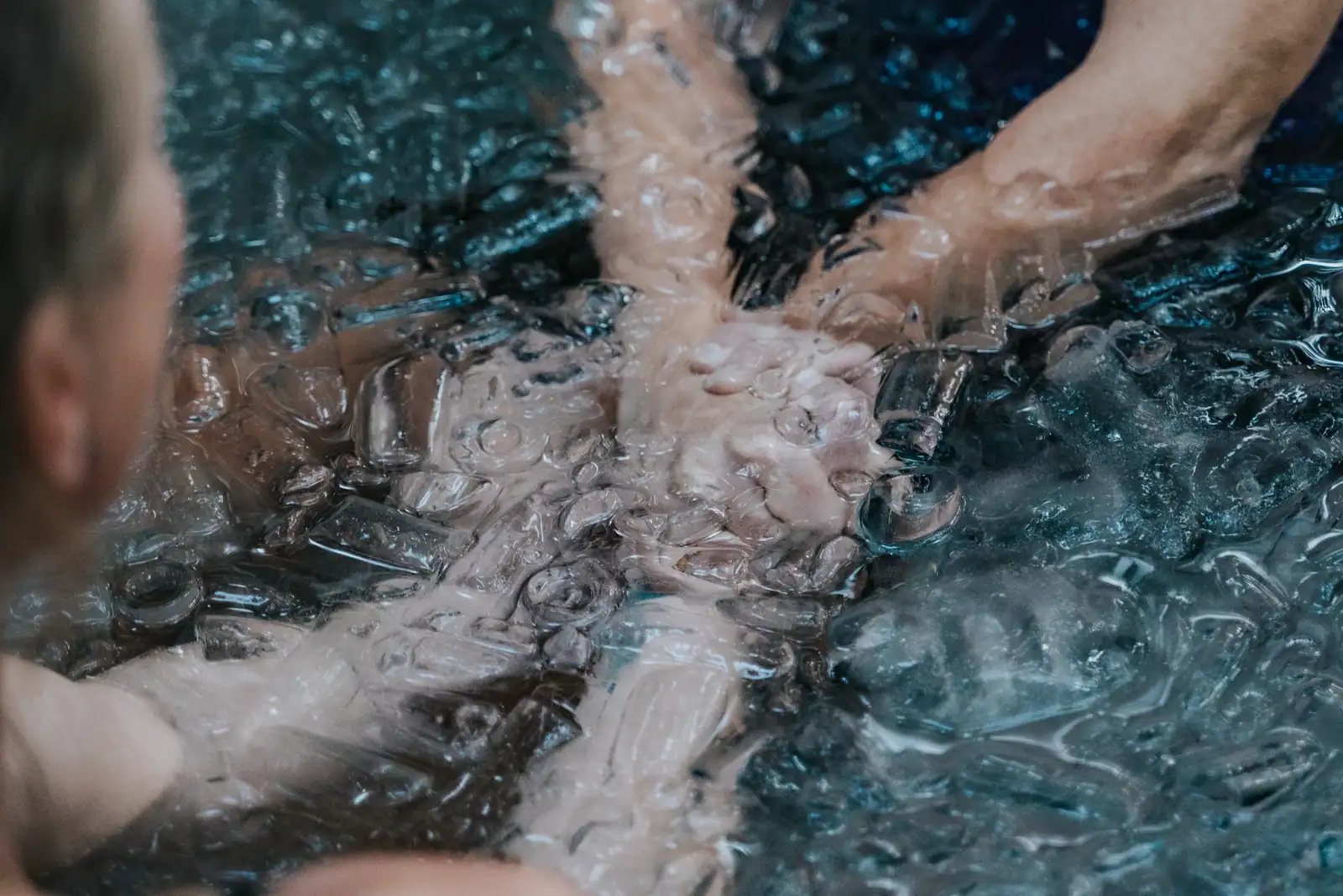
Ice bath therapy (cold water immersion) is an ancient practice with a modern following, a short, intentional cold immersion that can build genuine physical and mental resilience. At Lunita it's guided with breathwork and a strong emphasis on safety. Here's an honest look at the benefits, and how to do it well. (For how it's run on-site, see ice bath therapy at Lunita.)
The benefits, honestly held
Cold immersion may support circulation, physical recovery, and mental clarity, and many people find its greatest gift is stress resilience, training the nervous system to stay calm under intensity. Common experiences include feeling energized, clear-minded, and quietly accomplished. Held modestly, it's a powerful practice rather than a medical cure.
How to do it safely
Sessions begin with breathwork to calm the mind and set an intention; a facilitator stays present through a short immersion (about 2 to 5 minutes) and time to warm up after. Crucially, cold exposure is a real stress on the body, it's contraindicated for cardiovascular conditions, high blood pressure, and pregnancy (consult your doctor first), and you should never do an ice bath alone. It pairs naturally with breathwork and a personal retreat.
Cold immersion is one of the practices a personal retreat here can be built around, on your schedule rather than a group's.
Cold trains the same steadiness that stillness does; see our silent meditation retreat guide.
More on what is here: our facilities.
What does the session look like at Lunita?
The tub sits outdoors, and the session starts on dry ground. Ten to fifteen minutes of guided breath first, slow and through the nose, until the mind is quieter than it was when you walked over. The facilitator explains the exit rule before anyone gets wet: you can leave the water whenever you want, and nobody counts.
The immersion itself is short. You step in to the shoulders, the first thirty seconds are the hard part, and the breath you practiced is what you reach for. The facilitator stays at the edge and talks you through it. Most people manage two minutes on a first go and sit longer on a second day.
Afterwards comes the part people forget to plan for: warming up slowly. Towel, sun, a walk, and no hot shower straight away. The shiver is the body doing its own work. A warm drink and twenty quiet minutes finish it.
Who it suits, and who should skip it
It suits people who want a practice with an immediate, honest result. You cannot pretend your way through cold water, and that is why it works for people who are tired of practices that feel like nothing. It also suits the anxious, oddly: the breath skill you learn at the tub is the same one that works at three in the morning.
Skip it, or ask a doctor first, if you have a heart or blood pressure condition, if you are pregnant, or if you have a history of fainting. Skip it on the day after a heavy ceremony, when the system is already stretched. And skip it if you would be doing it to prove something. The cold does not care what you prove.
How it fits a jungle day
Morning is the natural slot. The air is cool, the body is rested, and the day after the tub feels long and clear. Many guests pair it with a sit in the Crystal Shala, cold first, stillness after.
It sits well opposite the temazcal, the heat one day and the cold another, and less well on the same afternoon. At Lunita the team places it inside a personal retreat around the rest of your program, and the cenote-fed pool afterwards is a gentler water than the tub.