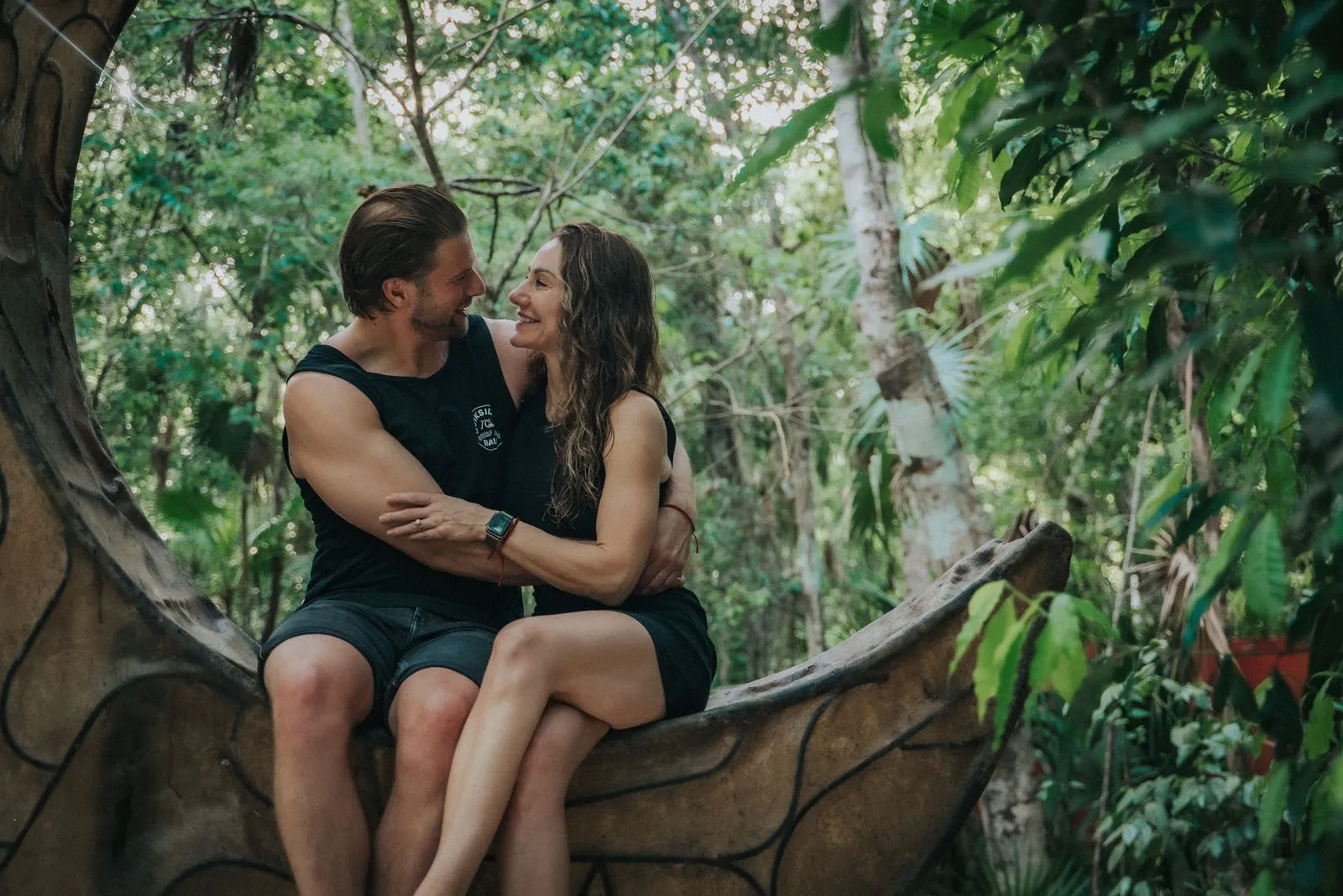
Best Private Retreats for Couples Reconnecting
- Lorenza Rossi
- Apr 16
- 6 min read
Updated: Apr 27
Some couples do not need a vacation. They need a pause deep enough to hear each other again.
That is what makes the best private retreats for couples reconnecting different from a pretty resort or a packed itinerary. When a relationship has been stretched by work, parenting, grief, stress, or simply the pace of ordinary life, the real need is not more stimulation. It is space. Space to soften, speak honestly, rest the nervous system, and remember what felt true before life became so loud.
A private retreat can become that kind of sanctuary, but only if it is designed with care. Privacy alone is not enough. The setting, the rhythm, the support, and the emotional safety of the experience all matter.
What makes the best private retreats for couples reconnecting
The strongest retreats for reconnection do not force intimacy. They create the conditions for it.
That usually begins with environment. Nature has a quiet way of lowering defenses, especially when the setting feels protected rather than performative. A jungle path, open-air spaces, birdsong at sunrise, candlelight after dark, and the absence of crowds can shift a couple out of reaction mode and into presence. The land becomes part of the healing.
Just as important is privacy with support. Many couples want seclusion, but not isolation. A meaningful retreat allows them to be alone together while still having access to gentle guidance, nourishing meals, therapeutic experiences, and thoughtful hospitality. That balance matters. Too much structure can feel intrusive. Too little can leave couples drifting in the same patterns they were hoping to interrupt.
The best retreats also respect that reconnection is rarely one thing. For some couples, it means rest and sensual presence. For others, it means repair after conflict, burnout, betrayal, transition, or emotional distance. A strong retreat container can hold tenderness, joy, grief, silence, and honest conversation without rushing any of it.
Not every couples retreat is built for real reconnection
There is a difference between a romantic getaway and a reconnecting retreat. Both have value, but they serve different needs.
A romantic trip often centers pleasure, novelty, and escape. There may be spa treatments, beautiful views, and a lovely dinner. That can absolutely help a couple reset. But if the deeper issue is disconnection, unresolved tension, or emotional fatigue, a luxury experience by itself may only skim the surface.
A reconnecting retreat goes further. It is intentional. It gives the relationship room to breathe and often includes experiences that support emotional regulation, embodiment, and reflection. That might look like couples bodywork, breathwork, private yoga, time in ceremony, immersion in nature, guided conversations, or simply long stretches of unstructured quiet in a place that feels safe enough for the heart to open.
This is where discernment matters. Some couples want clinically oriented support with licensed therapy. Others are more drawn to spiritual healing, somatic work, and nature-based practices. Neither is better. It depends on what season the relationship is in and what each partner is open to receiving.
How to choose the right private retreat for your relationship
The most helpful question is not, “What is the most beautiful place?” It is, “What kind of support do we actually need right now?”
If you and your partner are exhausted but fundamentally connected, a retreat centered on rest, massage, nourishment, and time in nature may be enough. If you are struggling to communicate, a retreat with guided sessions or relationship-centered facilitation may be more supportive. If there has been major rupture or trauma, you may want a setting that can coordinate a more skilled therapeutic process rather than relying only on wellness offerings.
Privacy should also be defined clearly. Some places say “private retreat” when they mean private lodging inside a social resort environment. For some couples, that works fine. For others, shared pools, group dining, and neighboring guests can keep the nervous system subtly alert. True privacy often means separate accommodations, quiet grounds, personalized scheduling, and enough spaciousness that the couple does not feel observed.
It is also wise to look at the retreat rhythm. A packed schedule can leave little room for organic connection. On the other hand, a completely empty calendar can feel awkward if a couple is out of practice being present with each other. The sweet spot is often a lightly guided experience with meaningful touchpoints and plenty of open space in between.
The role of nature in couples healing
Nature is not a decorative backdrop. In the right retreat setting, it becomes part of the relationship work.
When couples step outside the environments where conflict usually happens - the kitchen, the office, the car, the endless glow of screens - they often gain access to a different version of themselves. Bodies slow down. Speech softens. Attention widens. Even silence can start to feel nourishing instead of tense.
This is one reason jungle, forest, desert, and oceanfront retreats can feel so powerful. The natural world invites humility and presence. A couple may find that walking beneath trees, sitting by water, or resting under stars helps them release the need to solve everything immediately. That softening creates room for truth.
At a nature-immersive sanctuary such as Lunita Jungle Retreat Center, the land itself becomes part of the container. Private cabanas, ceremonial spaces, bodywork, nourishing meals, and guided healing experiences can support couples who want more than a standard hospitality stay. For the right pair, this kind of setting offers both reverence and structure - a place where deep rest and intentional reconnection can happen side by side.
Experiences that genuinely help couples reconnect
The most effective retreat experiences are usually the ones that help a couple come back into the body, not just the mind.
Bodywork can be especially supportive because stress often lives physically before it becomes verbal. Massage, energy work, or healing touch can help each partner settle enough to become available again. Private yoga or breathwork can also shift entrenched patterns by regulating the nervous system and inviting shared presence without requiring a heavy conversation.
Ceremonial or spiritual experiences can be meaningful too, especially for couples who value intention and sacredness. A temazcal, sound healing journey, or guided ritual can mark a transition - from resentment into release, from distraction into devotion, from surviving into listening. These experiences are not for everyone, and they should be approached with cultural respect and proper facilitation. But in the right hands, they can help couples step out of ordinary time and remember the deeper vows beneath daily stress.
Simple rituals matter as much as profound ones. Sharing breakfast in silence. Watching sunrise together. Writing what each person is ready to let go of. Taking an afternoon swim in a cenote or resting in a hammock without reaching for a phone. Reconnection often returns through these small acts of attention.
Best private retreats for couples reconnecting are not always luxurious in the usual way
Some of the best private retreats for couples reconnecting are elegant and high-end. Others are more earthy, intimate, and spiritually grounded. The question is not whether a place feels expensive. It is whether it feels safe, intentional, and deeply cared for.
Many couples are surprised to find that hyper-polished luxury can sometimes create distance. When every moment feels curated for appearance, it can become harder to be messy, tender, or honest. By contrast, a well-held retreat space with natural beauty, thoughtful design, and heart-led hospitality may invite more truth, even if it is less conventional.
That said, comfort matters. Good food matters. Clean, restful accommodations matter. Skilled facilitation matters. A retreat does not need to feel austere to be meaningful. The most supportive places understand how to blend beauty with grounding and softness with professionalism.
When a retreat may not be enough on its own
A private retreat can create a powerful opening, but it is not magic. Sometimes a couple leaves feeling renewed, only to return home to the same pressures and habits. That does not mean the retreat failed. It means integration matters.
Before booking, it helps to ask what comes after. Will there be practices you can continue together? Are you willing to protect some of the spaciousness you found? Can you name one or two changes that would help the relationship feel different at home?
It is also honest to say that some couples need more than a retreat can offer. If there is active abuse, severe instability, or untreated trauma that makes emotional safety impossible, a wellness retreat should not replace qualified therapeutic support. Sacred spaces can hold a lot, but they should never be asked to carry what requires specialized care.
Still, for many couples, the right retreat becomes a turning point. Not because everything is fixed in a weekend, but because something softens. A hand is reached for. A guarded truth is spoken. A shared breath lands a little deeper than it has in months.
Sometimes that is how love returns - not all at once, but in a place quiet enough to feel it again.
If you are choosing a retreat for reconnection, choose the one that lets you come as you are, not as a perfected version of yourselves. The right sanctuary will not ask your relationship to perform. It will simply hold you long enough for what is real to come forward.


Comments