Lunita Jungle Retreat is a 100% solar powered, off grid retreat center in the jungle of Puerto Morelos, Riviera Maya, 40 minutes from Cancún airport. It draws its water from the cenote river beneath it, treats its wastewater through a biodigester, and was built without cutting a single tree.
Plenty of places call themselves eco. This page sets out exactly how Lunita runs, in facts you can check, and ends with the questions worth asking any retreat center that makes a sustainability claim.
What makes a retreat center sustainable?
A sustainable retreat center can say plainly where its power, water and waste go, how much land it disturbed, and how many people the land carries.
Green words are easy; numbers are harder. The useful test is concrete: what powers the lights at night, where the shower water comes from, where it goes afterwards, and whether the buildings were placed around the land or the land was cleared for the buildings.
How is Lunita powered?
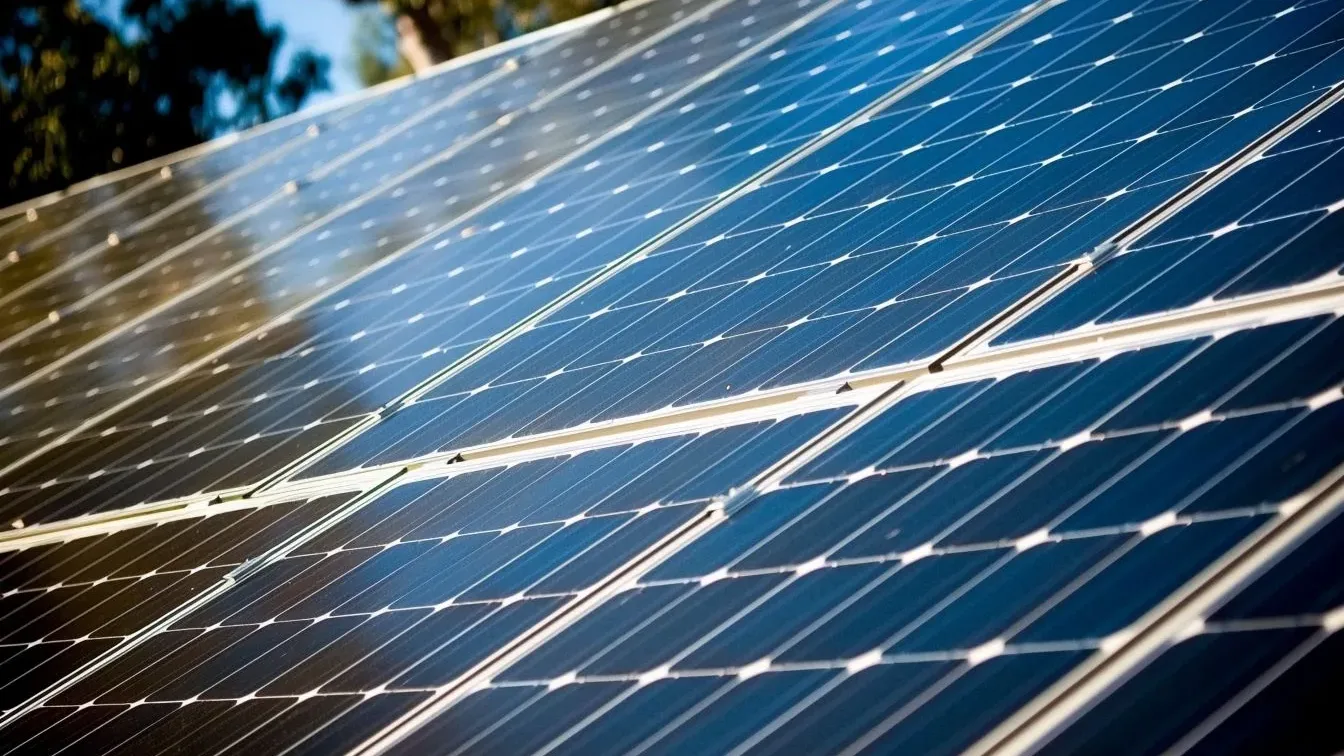
Entirely by the sun: panels across the roofs charge five batteries that run the lights, fans, kitchen and pool pumps through the night and the rains.
Lunita has been off the grid since opening day in November 2022 and has never needed to connect. There is no generator hum on the property. Guests mostly notice the system as quiet.
Where does the water come from?
From below. A branch of the Yucatán's underground river system runs directly under the property, and its limestone filtered water serves the pool, showers, kitchen and gardens.
Lunita sits on the Ruta de los Cenotes, the road named for the underground rivers it crosses. The pool holds that same cenote water, with no chlorine and no tank.
What happens to waste?
Wastewater runs through a biodigester rather than into the ground, and what can be composted or replanted is.
The kitchen leans on local sourcing. Water is drawn, used, treated and returned, so the system closes on the same land it comes from.
How was the land built on?
Around the trees: not one tree was cut, and more than five thousand have been planted since building began.
Every cabana and path sits in a gap the jungle had already left, which is why no two cabanas are the same. Lunita is five thousand square meters of clearings inside more than eighty thousand square meters of preserved jungle. Before anything was built, on 1 May 2021, a ceremony asked the jungle's permission. Planting continues, often cacao, much of it placed by guests in the Tree Planting that closes personal retreats.
Is off grid comfortable?
Yes. There are private cabanas, a chef cooking three meals a day, a pool and daily housekeeping; the difference is ceiling fans and shade instead of air conditioning.
The cabanas were placed where the jungle keeps them cool, which is the oldest climate technology there is. Nothing about the system is hardship engineering.
Who is it for?
Guests and groups who want a retreat in nature with a small footprint: solo travelers, couples, retreat leaders and company teams of up to 20.
Lunita hosts one group at a time. See the retreats, the full story of the jungle setting, or the whole center.
What to ask any retreat center about sustainability
- What powers the property at night, and is it connected to the grid?
- Where does the water come from, and where does it go after use?
- How are wastewater and kitchen waste handled?
- How much land was cleared to build, and were trees cut?
- How many guests does the property hold at once?
- How much of the food is sourced locally?
- Is any certification claimed, and can you see it?