For retreat leaders, choosing workshops takes discernment. The right workshop is not simply popular or visually appealing, it needs to match the group's energy, the intention of the retreat, and the level of emotional depth you're prepared to hold. Here's what makes the best wellness workshops for retreat groups. (See the complete planning guide.)
Which kinds of workshop does a group need?
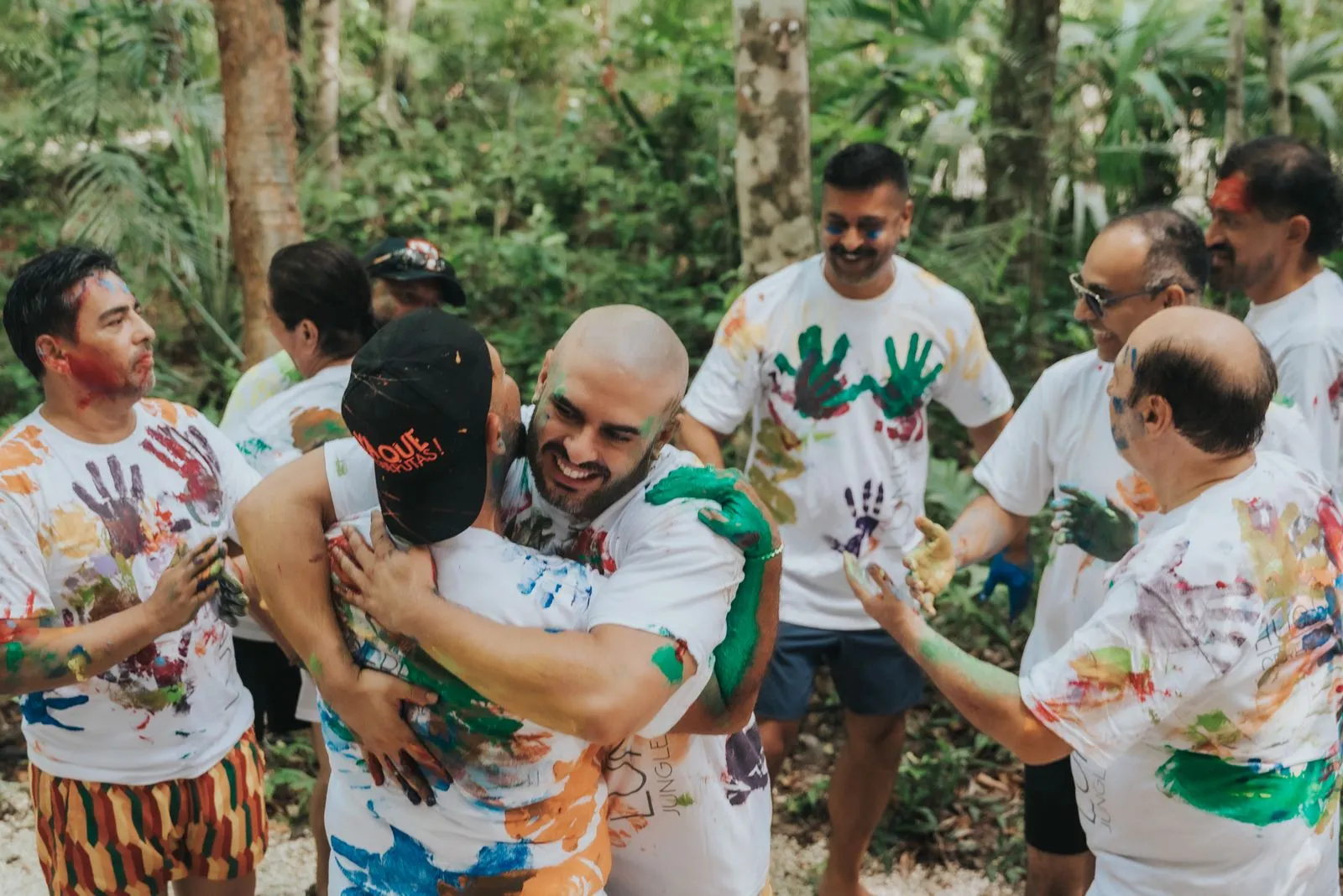
The strongest programs balance experiences that open the body (movement, breathwork), soften the nervous system (meditation, sound, somatic work), and bring people into community (circle, ceremony, shared creativity). Some open, some settle, some connect, and a well-rounded retreat honors all three.
How do you choose workshops for fit, not flash?
Start with your retreat's intention and your group, then select workshops that serve it, and that you can safely facilitate or have skilled support for. Avoid over-packing; a few well-held experiences beat a crowded schedule. Explore hosting at Lunita or book a discovery call. The same principle shapes a stay for one person, and the wellness itineraries Lunita shapes around you show how a few well-chosen days can be built around a single need.
Explore the retreats at Lunita.
Which workshops travel well to a jungle setting?
Some workshops gain from the place and some fight it. The ones that gain use what is already here: water, dark, fire, trees, a small circle.
- Breathwork in the glass shala at dawn, before the heat.
- A cacao circle in the evening as the bridge into the dark.
- Temazcal, held by a local carrier, on one night rather than several.
- Sound in the shala after the afternoon rest.
- A drum-making hour, so the group carries a rhythm home.
- A silent walk on the paths, ending at the pool.
- Somatic work in the afternoon, when bodies are warm and slow.
- A writing hour on the terrace.
- A cenote visit held as a session rather than a trip, with an intention set before and a circle after.
- A closing circle that names what each person is taking back.
The ones that fight the setting need a screen, a schedule to the minute, or a room with the doors shut. They can be done; they cost the group the place.
How to build the schedule around them
One opening workshop in the morning, one settling workshop in the afternoon, one connecting workshop in the evening, and space between. That is a full day. Two days like that, a rest day, and a closing day is a program. The rest day is not a gap in the plan; it is where the first two days land, and groups that skip it arrive at the closing circle tired rather than clear.
Leave the middle of every day for water. In the jungle near Puerto Morelos the heat peaks after lunch, and a workshop scheduled against it loses half the room to sleep. The cenote-fed pool and the private cenote about ten minutes away are the afternoon's workshop.
Tell the venue early which workshops need a carrier, fire, water or the shala at a set hour. At Lunita the service menu runs to fifty-eight experiences, and the on-site team schedules them around the leader's program rather than the other way round.