Lunita Lab · Launched May 2026
Most retreats
are hosted.
Ours are designed.
Lunita Lab is the retreat design studio inside Lunita, the name we finally gave to the work we'd been doing all along. Before dates, before prices, before anyone books a shala: the thinking.
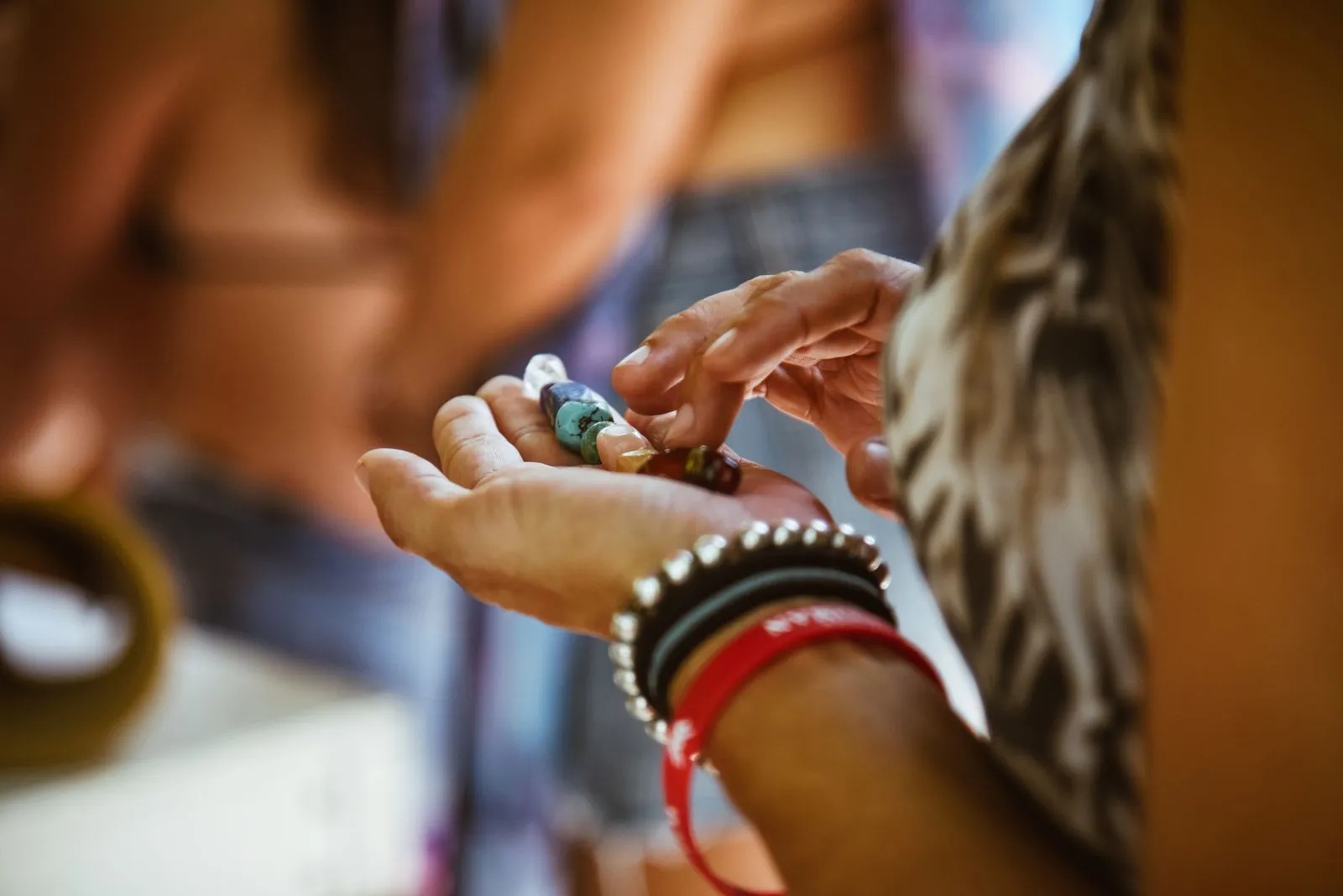
A venue hosts.
A studio designs.
After a hundred-plus retreats, we noticed something about the ones that worked best: they were designed before they were hosted. The program had a structure. The week had an arc. The experiences belonged to the retreat instead of being stacked on top of it. We'd been doing that design work with our retreat leaders from the beginning (unpaid, unnamed, mostly by instinct) because we didn't know how not to.
The Lab is not a new product, and it isn't a rebrand. It's the right name for something that already existed. In May 2026 we gave that work a name, a process, and a front door.
The distinction matters more than it sounds. A venue gives you keys and a calendar. A studio thinks with you. Lunita is both: the Lab is the studio, and the jungle is the laboratory where the projects come to life.
How the Lab works:
Diagnose, Design,
Deliver, Document.
Four phases. The process is the product. It's what separates a designed retreat from a hosted one.
Diagnose.
Every project starts with a conversation that deliberately leaves out dates and prices. Who is your audience? What is the retreat actually for? What should be different in people when they leave? What have you already tried that didn't work? The diagnosis is free, and it tends to be the moment people stop treating Lunita as a venue and start treating it as a thinking partner.
Design.
Then we build the retreat together: the structure of the program, the narrative arc of the week, which experiences belong and which don't, how the four Sacred Gifts thread through the week, and which facilitators to bring in if the retreat needs hands you don't have.
Deliver.
The retreat happens at Lunita: eight cabanas, twenty guests at most, jungle on every side. Delivery is the part we've done more than a hundred times. The difference a designed retreat makes is that nothing in the week is improvised: the team knows what's needed before it's needed.
Document.
After the last guest leaves, you get the record: photographs, materials, a written account of what happened. Retreat leaders walk away with a case study of their own retreat to use in their marketing. Teams get a follow-up document. Individuals get a closing letter. Almost nobody in this market does this phase. We think that's a mistake, so we made it a quarter of the process.
Who the Lab
is for.
Leaders who've done this before.
You've run retreats for years and don't need a tutorial. What you might need is someone to think with: on the retreat you've been circling but haven't built, on the structure that would let your work grow, on what your audience is quietly asking for next. The Lab gives your experience a sparring partner. Host a retreat at Lunita →
Practitioners who never have.
You have a practice people trust (yoga, breathwork, therapy, something harder to name) and a community that keeps asking when you'll finally do a retreat. You've never built one. The pricing, the filling of spots, the shape of the program: all of it is fog, and the financial risk is real. The distance between "I should run a retreat" and "I ran a retreat" is exactly what the Lab exists to close. Start with a conversation →
Teams and companies.
A team retreat designed around an actual organizational question (burnout, trust, a team that stopped talking) rather than an offsite with a wellness hour bolted on. Corporate work runs through the same four phases, with Lorenza leading. It has its own page. Corporate retreats at Lunita →
Lunita Originals.
Some retreats don't start with a leader. They start with an idea that won't leave someone alone: a retreat for artists in a creative drought. For mothers. For founders who burned everything down. For men who never learned to cry.
When the idea is strong and the facilitator doesn't exist yet, the Lab runs the process in reverse: we hold the vision, find the right hands, build the program, and bring it to life here. Retreats born from a vision instead of an organizer: we call them Lunita Originals.
None has launched yet. The first candidates are in the workshop now.
The right hands raise themselves here: Apply as a facilitator →
What's taking shape.
Five pilot concepts are in the workshop right now. We're not going to name programs that don't exist yet, but two are far enough along to say a little.
Photography
One is built around photography: learning to see, slowly, in the jungle. Not chasing the perfect shot, but training the eye and the attention a retreat asks for. A retreat where the way you look at the world and the way you look inward answer each other is something we've wanted for a long time. We're building it.
Tai chi
The other is built around tai chi: slow movement, taught seriously, in a place where slowness is the point.
The other three stay in the workshop a while longer. When a concept becomes real (facilitator, program, dates) it will appear here. Not before.
Who runs
the Lab.
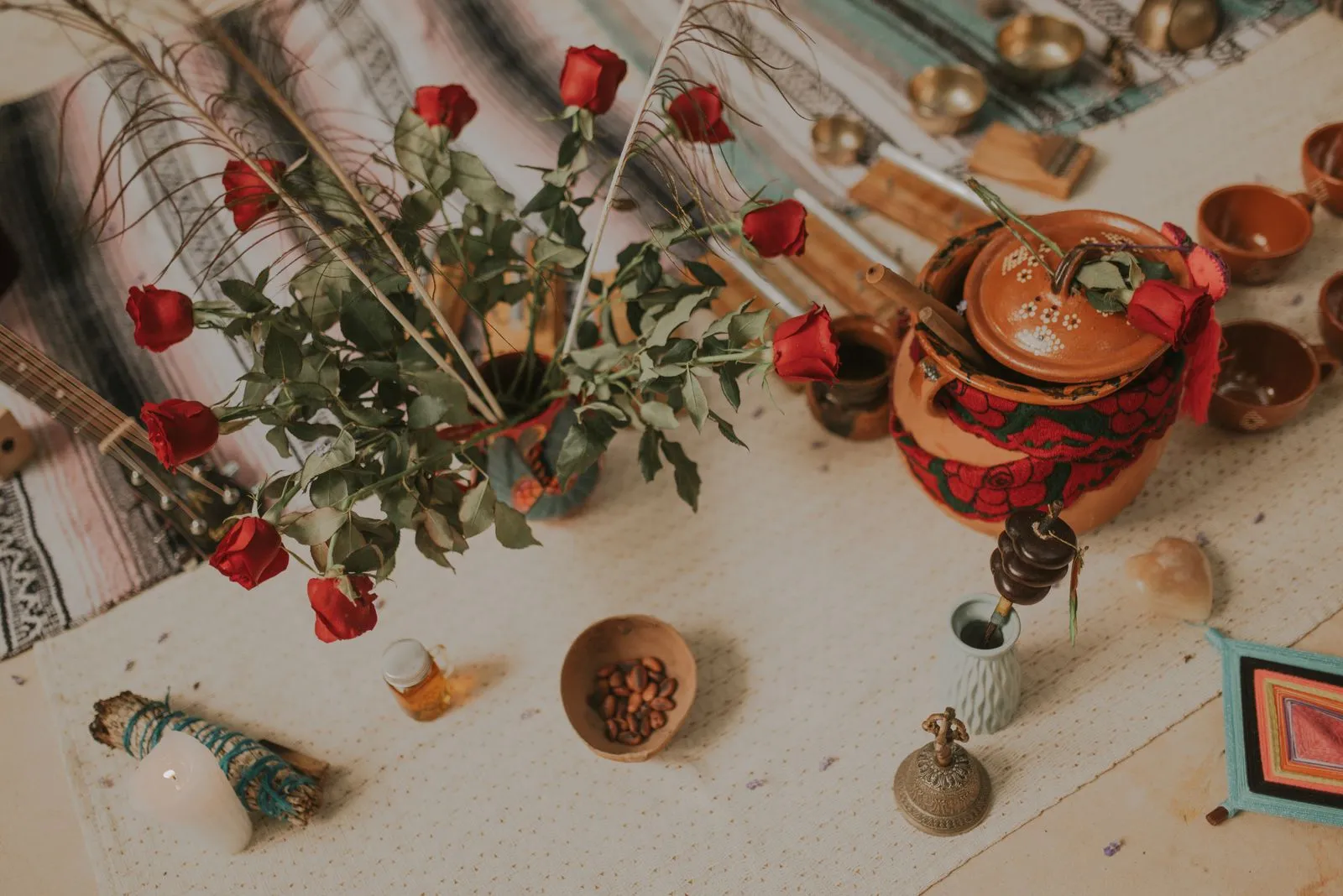
The Lab is run by the two people who built Lunita.
Lorenza, Nico's mother, co-founder, leads strategy and the client relationship. She spent thirty-five years between building businesses in Italy and roles in large multinationals before this one, and it shows in the diagnosis conversations, which are warmer and considerably sharper than people expect.
Nico, co-founder, photographer for more than twenty years, leads the experiential and visual design. A hundred-plus retreats watched closely from behind a camera teaches you what an arc looks like, and where a week sags.
Together they are the studio. Separately, they're the specialties.
Start with a
conversation.
Every Lab project begins the same way: a conversation with no dates and no prices in it. Just the questions: who it's for, what it's meant to change, what you've tried already. It costs nothing, and you'll leave knowing whether there's a retreat in what you're carrying.