top of page
lunita-retreat-wellness-center-mexico-blog-post_edited.jpg

Stories & Guides from Lunita Jungle Retreat

A place to discover retreat guides, sacred practices, and inspiration from the Riviera Maya — created for retreat leaders and participants seeking growth in nature.

This article is part of the Lunita Jungle Retreat Blog, where we share stories, guides, and resources about retreats in Mexico. From wellness journeys and sacred ceremonies to corporate team-building and personal healing, our posts offer insights to support both retreat leaders and participants. Explore more articles here.

What is Peyote? The Sacred Cactus of the Desert

  • Nico
  • 2 hours ago
  • 5 min read
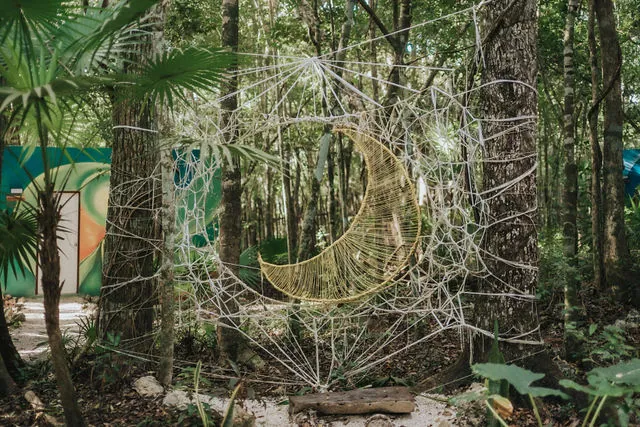
A captivating view of a woven crescent moon art installation nestled among the lush greenery at Lunita Jungle Retreat Center near Cancún, Mexico.


Introduction to What is Peyote? The Sacred Cactus of the Desert


In the heart of ancient traditions and the quiet wisdom of the desert, a sacred plant known as Peyote (Lophophora williamsii) has long served as a profound spiritual guide. For millennia, indigenous cultures have revered this small, spineless cactus, recognizing it not merely as a plant, but as a living bridge to the divine, a medicine for the body, mind, and soul. At Lunita Jungle Retreat, we honor the deep spiritual connections that humanity shares with the natural world, and in this spirit, we explore the sacred journey of Peyote.


The Ancient Roots of a Sacred Tradition


The story of Peyote is etched into the very landscape of North America, particularly in Mexico and the southern United States. Archaeological evidence, including prehistoric rock art and ancient necklaces of dried peyote dating back to 6,000 BCE, testifies to its enduring significance. For indigenous peoples like the Huichol of Mexico and members of the Native American Church (NAC) across North America, Peyote is a holy sacrament, a conduit for prayer, healing, and profound spiritual insight.


These traditions are not merely historical footnotes; they are vibrant, living practices. The Huichol, for instance, undertake arduous annual pilgrimages to the sacred peyote desert, viewing the cactus as an embodiment of everything that is, a vital force without which nothing would exist. Similarly, the NAC integrates Peyote into ceremonies that blend ancient wisdom with Christian doctrine, seeking divine blessings and guidance through its sacred use.


The Spiritual and Healing Journey of Peyote


Peyote's spiritual significance stems from its unique psychoactive properties, primarily attributed to mescaline, one of over 60 alkaloids found within the cactus. When consumed in a ceremonial context, Peyote can induce profound visionary states, often described as vivid, geometric hallucinations that enhance the senses and deepen introspection. Users frequently report a heightened sense of connection to the divine, to nature, and to their inner selves, facilitating personal revelation and spiritual growth.


Beyond its visionary aspects, Peyote is revered for its healing potential. Indigenous traditions speak of Peyote as a medicine capable of addressing a wide range of ailments, from physical wounds and systemic diseases like diabetes to emotional and spiritual imbalances. It is believed to help individuals recognize and resolve personal problems, fostering a path toward well-being and a good life path. While Western medicine is still catching up to these traditional understandings, the profound impact on spiritual and mental well-being is widely acknowledged within indigenous communities.


Understanding the Effects and Risks


The primary psychoactive compound in Peyote, mescaline, interacts with serotonin receptors in the brain, leading to its characteristic psychedelic effects. These can include vivid hallucinations, enhanced sensory perception, and a distortion of time. While many describe these experiences as deeply insightful and transformative, it's important to acknowledge that, like any powerful substance, Peyote can also induce challenging experiences, sometimes referred to as a "bad trip," characterized by negative emotions or frightening visions. Physical side effects can include nausea, vomiting, increased heart rate, and chills, though severe adverse reactions are rare.


The Legal Landscape: Respecting Sacred Use


In many parts of the world, including the United States, Peyote and mescaline are classified as Schedule I controlled substances, reflecting a federal stance that they have a high potential for abuse and no accepted medical use. However, it is crucial to understand the significant legal exemptions and protections afforded to indigenous communities. In the U.S., the American Indian Religious Freedom Act Amendments of 1994 explicitly safeguard the use, possession, and transportation of Peyote for bona fide traditional religious ceremonies by members of federally recognized Native American tribes. This legal framework acknowledges and respects the deep cultural and spiritual heritage of Peyote within these communities.


It is important to note that these exemptions are specifically for religious and ceremonial use by indigenous peoples and do not extend to recreational or commercial use by others. The legal status of Peyote for non-indigenous individuals remains highly restricted, and any use outside of these protected religious contexts is generally illegal. At Lunita Jungle Retreat, we emphasize the importance of respecting these legal and cultural boundaries, recognizing the sacredness of Peyote within its traditional context.


Peyote and the Path of Spiritual Awakening


The journey with Peyote, particularly within its traditional ceremonial framework, is one of profound spiritual awakening and connection. It invites participants to look inward, confront their truths, and connect with a wisdom far older than themselves. This sacred cactus, a teacher from the desert, offers lessons in humility, interconnectedness, and the enduring power of spirit.


At Lunita Jungle Retreat, while we do not offer Peyote ceremonies, we deeply resonate with the spirit of sacred plant medicine and the profound healing it can facilitate. Our focus is on creating a sanctuary where individuals can explore their inner landscapes through various holistic practices, connecting with nature and their authentic selves in a supportive and transformative environment. We believe in the power of intentional spiritual work and honor the diverse paths to healing and self-discovery.


Frequently Asked Questions (FAQ)


Q1: Is Peyote legal for everyone?


A1: No, in many countries, including the United States, Peyote is a Schedule I controlled substance. However, there are significant legal exemptions for members of federally recognized Native American tribes who use it for bona fide traditional religious ceremonies, as protected by the American Indian Religious Freedom Act Amendments of 1994.


Q2: What are the main spiritual benefits of Peyote?


A2: Within indigenous traditions, Peyote is revered for its ability to facilitate deep spiritual insight, connection to the divine, personal healing, and guidance for living a good life. It is considered a sacred sacrament that opens pathways to profound introspection and understanding.


Q3: Can Peyote be used recreationally?


A3: While some individuals may seek recreational use, it is generally illegal outside of the specific religious exemptions for Native American tribes. Recreational use is not aligned with the sacred traditions and legal protections surrounding Peyote.


Q4: What are the potential risks of using Peyote?


A4: Potential risks include challenging psychological experiences (sometimes called a "bad trip"), nausea, vomiting, increased heart rate, and chills. It is a powerful psychoactive substance that should be approached with respect and within a proper ceremonial context.


Q5: Where can I learn more about sacred plant medicines and spiritual retreats?


A5: You can explore various resources on ethnobotany and indigenous spiritual practices. For those seeking transformative experiences in a supportive environment, Lunita Jungle Retreat offers a range of holistic programs and retreats focused on healing, wellness, and spiritual growth. Visit our homepage to learn more about our offerings, explore our Host a Retreat page if you're interested in bringing your own group, or Contact Us for personalized inquiries. We also encourage you to connect with us to discover how our sanctuary can support your journey of self-discovery and well-being.


Comments

Rated 0 out of 5 stars.
No ratings yet

Add a rating
Retreat-Center-Mexico-Ayurvedic-Consultation-Acupuncture.jpg

Continue Your Retreat Journey with Lunita Wellness & Yoga 

About Lunita Jungle Retreat

Lunita Jungle Retreat is a holistic retreat center in the Riviera Maya, Mexico, created with love, sustainability, and connection at its heart. We welcome up to 20 guests for wellness, spiritual, corporate, and personal retreats, surrounded by jungle and guided by intention.


Every gathering here is blessed with our 4 Sacred Gifts — the Sacred Blessing Ceremony, Professional Retreat Photography, the Planted Tree Ceremony, and the Hug Ceremony — unique rituals that create remembrance, connection, and community.


Stay connected with us by subscribing to our newsletter, following Instagram for daily inspiration, or exploring how to host your own retreat at Lunita. If you’re ready to connect personally, visit our Contact page or write to us at info@lunitajungleretreat.com.

Lunita-JungleWellness-Spiritual-Retreat-Center-Mexico-blog-post.jpg

Lunita Jungle Retreat is a sanctuary in the Riviera Maya, where wellness, community, and sacred experiences come together.


As a trusted Retreat Center in Mexico, we welcome leaders, healers, and creators ready to share transformation.

Nestled in the jungle near Cancún, Lunita is both a Retreat Center in Cancun and a haven for those seeking deeper connection.


We host Wellness Retreats, Holistic Retreats, and Mexican Jungle Retreats designed to honor nature and community.

Whether you are planning a Yoga Retreat, a Corporate Retreat, or an intimate Private Retreat, Lunita offers an authentic setting where transformation flows naturally.

Quick Info

Capacity

Up to 20 guests in eight cabanas + private mini-apartment.


Location

Puerto Morelos, Riviera Maya, only 40 minutes from Cancún Int. Airport.


Facilities

Yoga shala, meditation area, pool, jungle gym, temazcal, and ice bath, with access to a nearby private cenote.


Sacred Gifts

Every retreat includes our four sacred gifts: blessing ceremony, professional photography, tree planting, and the hug ceremony.

Connect With Us


Phone 

+52 984 270 1532

Email

info@lunitajungleretreat.com


Address

Ruta de los Cenotes Km 17, Puerto Morelos, Riviera Maya, Mexico (Only 40 minutes from Cancun Int. Airport)

Reviews

Google Reviews ⭐ 4.9

Follow

Facebook · Instagram · LinkedIn ·

bottom of page