Peyote Through the Ages: A Journey Through Indigenous Traditions
- Nico
- 2 hours ago
- 4 min read

Introduction to Peyote Through the Ages
In the heart of Mexico, amidst the rugged beauty of the Sierra Madre mountains, lies a spiritual tradition as ancient and enduring as the land itself. For centuries, the Wixárika (Huichol) people have safeguarded a profound connection to Peyote, a sacred cactus revered not merely as a plant, but as a divine messenger and a source of profound wisdom. At Lunita Jungle Retreat, we honor and respect the diverse spiritual paths that lead to healing and understanding, and today, we embark on a journey to explore the deep historical and cultural roots of Peyote use, particularly among the Wixárika.
The Sacred Cactus: A Gift from the Ancestors
Peyote (Lophophora williamsii) is a small, spineless cactus native to the Chihuahuan Desert. For the Wixárika, it is far more than a botanical specimen; it is `Hikuri`, a sacred entity, a living deity that guides their spiritual and physical well-being. Their relationship with Peyote is not one of casual consumption, but of deep reverence, ritual, and profound respect, passed down through generations.
Wirikuta: The Sacred Land of Peyote
The spiritual heartland of the Wixárika is Wirikuta, a vast desert region in San Luis Potosí, Mexico. This sacred territory is believed to be the birthplace of the sun and the ancestral home of their deities. Each year, the Wixárika undertake arduous pilgrimages to Wirikuta, retracing the steps of their ancestors to collect Peyote. This journey is a central pillar of their spiritual life, a physical and metaphorical quest for spiritual renewal and connection with the divine.
During these pilgrimages, led by shamans (mara’akate), the Wixárika engage in elaborate ceremonies, prayers, and offerings. The act of collecting Peyote is itself a sacred ritual, performed with immense gratitude and a deep understanding of reciprocity with the natural world. The cactus is seen as a gift, and its harvest is carefully managed to ensure its sustainability, a testament to their profound ecological wisdom.
A Tapestry of Tradition: Peyote in Wixárika Culture
Peyote's influence permeates every aspect of Wixárika life, from their intricate art to their complex cosmology. It is a conduit for communication with their gods, a tool for healing, and a source of artistic inspiration.
Art as Prayer: Visions of the Sacred
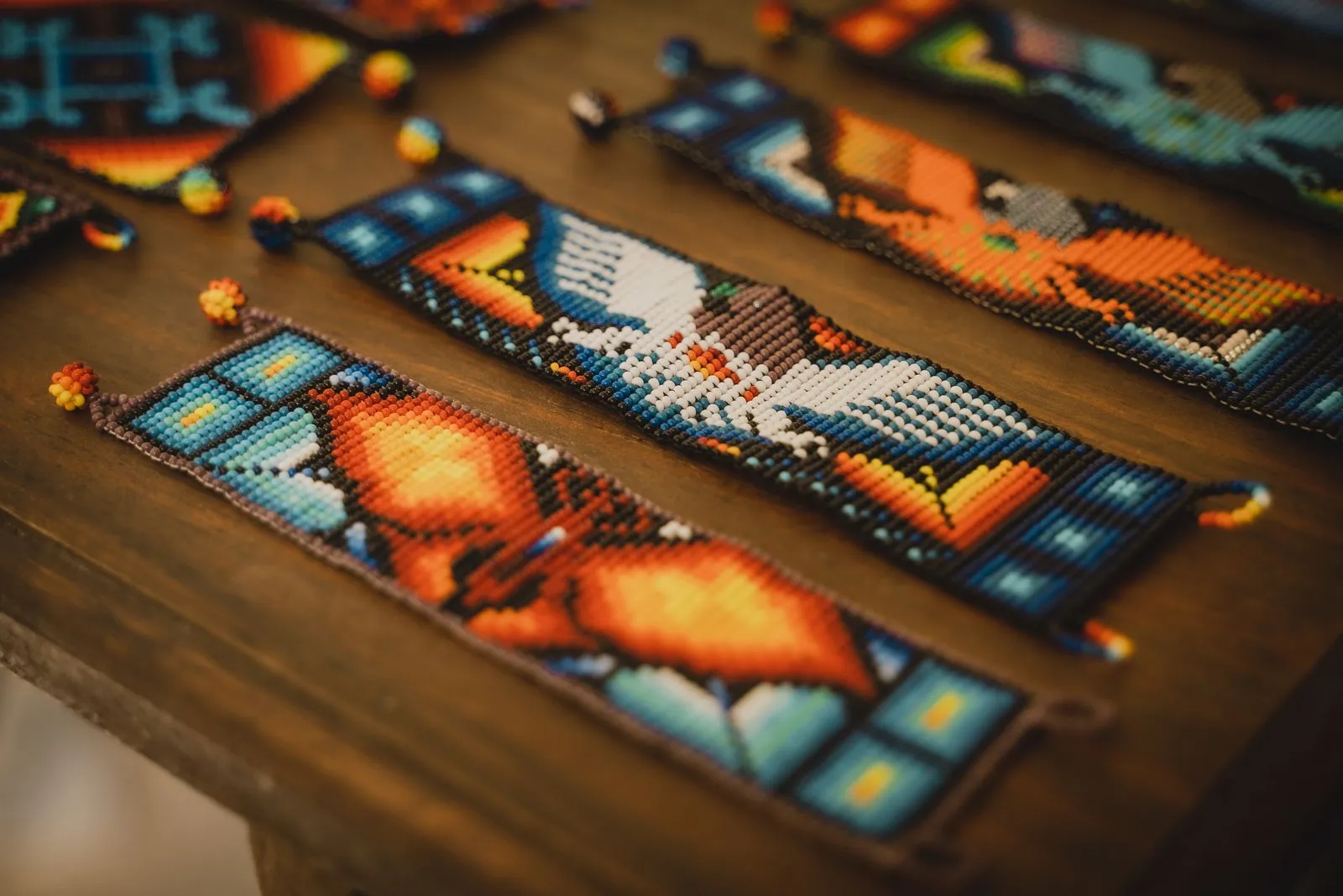
The vibrant and intricate Huichol art, particularly their yarn paintings and beadwork, are direct expressions of the visions and insights gained through Peyote ceremonies. These artworks are not merely decorative; they are sacred narratives, depicting their deities, ancestral spirits, and the profound spiritual experiences encountered during their rituals. Each color, symbol, and pattern holds deep meaning, telling stories of creation, healing, and the interconnectedness of all life.
Healing and Guidance: The Mara’akame’s Role
The mara’akame, or shaman, plays a pivotal role in Wixárika society. They are the spiritual guides, healers, and intermediaries between the human and divine realms. Through their ceremonial use of Peyote, the mara’akame seek guidance for their community, diagnose illnesses, and facilitate healing. The ceremonies are often communal, fostering a sense of unity, shared purpose, and collective spiritual growth.
Legal Context and Respectful Engagement
It is crucial to understand the legal and ethical considerations surrounding Peyote. In many parts of the world, Peyote is classified as a controlled substance. However, in the United States and Mexico, there are specific legal protections for its ceremonial use by indigenous peoples, such as the Native American Church and the Wixárika. These protections acknowledge the deeply rooted religious and cultural significance of Peyote to these communities.
At Lunita Jungle Retreat, we emphasize the importance of respecting indigenous traditions and legal frameworks. Our focus is on fostering holistic well-being through practices that are legal, ethical, and culturally sensitive. We believe in learning from and honoring the wisdom of indigenous cultures, always with the utmost respect for their sacred practices and intellectual property.
The Enduring Wisdom of Indigenous Traditions
The story of Peyote and the Wixárika people is a powerful reminder of the enduring wisdom embedded in indigenous traditions. It speaks to a way of life deeply connected to the earth, to spirit, and to community. Their reverence for Peyote offers a profound lesson in humility, respect, and the sacredness of all life.
As we continue our own journeys of self-discovery and spiritual growth at Lunita Jungle Retreat, we draw inspiration from such profound examples. We invite you to explore our offerings for holistic wellness and spiritual retreats that honor ancient wisdom in a contemporary context. Visit our homepage to learn more about our philosophy and programs. If you are interested in hosting your own transformative experience, please visit our Host a Retreat page. For any inquiries, feel free to Contact us.
Frequently Asked Questions about Peyote and Wixárika Traditions
Q1: Is Peyote legal to use?
A1: The legal status of Peyote varies significantly by country and region. In the United States and Mexico, specific legal exemptions exist for its ceremonial use by recognized indigenous groups and members of the Native American Church. For the general public, it remains a controlled substance. It is essential to be aware of and respect these legal distinctions.
Q2: How do the Wixárika use Peyote?
A2: The Wixárika use Peyote in highly ritualized and sacred ceremonies, often as part of their annual pilgrimages to Wirikuta. It is consumed under the guidance of a mara’akame (shaman) to facilitate spiritual connection, healing, and guidance from their deities. It is not used recreationally.
Q3: What is the significance of Wirikuta to the Wixárika?
A3: Wirikuta is the ancestral and spiritual homeland of the Wixárika people, believed to be the birthplace of the sun and the place where their deities reside. It is the sacred land where they undertake their annual Peyote pilgrimages, a journey central to their cultural identity and spiritual practices.
Q4: How does Wixárika art relate to Peyote?
A4: Wixárika art, such as yarn paintings and beadwork, is deeply intertwined with their Peyote ceremonies. The intricate designs and vibrant colors often depict the visions, deities, and spiritual experiences encountered during their rituals. This art serves as a visual language to convey their sacred cosmology and traditions.
Q5: How can I learn more about respectful engagement with indigenous traditions?
A5: Learning more involves seeking out reputable sources, supporting indigenous-led initiatives, and engaging with cultural education programs. Always prioritize sources that center indigenous voices and perspectives. Respecting intellectual property and traditional knowledge is paramount.


Comments