Wellness Retreat With a Chef in Mexico: What Changes
- Nico

- Mar 4
- 6 min read
Updated: 5 hours ago

You can feel it on day one: the moment your body stops bracing.
It is not just that you arrived somewhere beautiful. It is that you are no longer negotiating every meal - scanning menus, guessing ingredients, timing food around sessions, wondering if you will crash mid-yoga, or quietly stressing about what your body can actually handle.
A wellness retreat with chef Mexico can shift your whole experience because nourishment stops being a side quest. It becomes part of the healing container - steady, intentional, and aligned with why you came.
Why a wellness retreat with chef Mexico hits differently
Mexico is full of wellness travel, but not all retreats are built for restoration. Many places offer yoga classes and a pretty pool, then send you out into town for food. That can be fun. It can also keep your nervous system on “decision mode,” especially if you are arriving burned out, tender, or in a season of real change.
When there is an onsite chef, meals stop being logistical. You do not have to plan, hunt, translate, compromise, or rush. Your body learns a new rhythm: practice, integration, rest, and food that supports it.
There is also something quietly powerful about being cared for in this way. Receiving a warm meal after breathwork, or a grounding dinner after ceremony, signals safety to the body. That safety is often the missing ingredient in transformation.
It is not about “healthy food,” it is about regulation
A lot of retreat marketing gets stuck on buzzwords: clean, detox, low-carb, plant-based. The truth is more nuanced.
The best retreat food is not performative. It is regulating.
That can mean balanced proteins and complex carbs so you do not spike and crash. It can mean hydration that actually happens because someone is offering herbal teas and electrolyte-rich options throughout the day. It can mean meals timed so your body has what it needs before movement, and something soothing after deep emotional work.
And yes, it can be joyful. Mexico is not a place where nourishment needs to be bland to be “well.” When your chef understands both wellness and pleasure, the food becomes an ally - not another set of rules.
What to look for in the chef experience (beyond the word “chef”)
Some venues say they have a chef when what they mean is a cook who can make a fixed menu. There is nothing wrong with simple meals. But if you are choosing a wellness retreat with chef Mexico because you want food to support healing, ask a few specific questions.
Is the menu designed around the retreat, or the retreat around the menu?
In a true retreat kitchen, food is part of the program design. If the retreat includes early morning yoga, you will want something light beforehand and a more substantial breakfast after. If the work includes trauma-informed practices, extended meditation, or ceremony, meals should support grounding.
If the kitchen is rigid, you may end up adapting your body to the food instead of the other way around.
Can they accommodate real dietary needs without drama?
Gluten-free is common. Dairy-free is common. Vegan is common. But the real question is whether the kitchen can hold complexity with care.
Some guests are managing autoimmune conditions, blood sugar issues, IBS, histamine sensitivity, or recovery from disordered eating. A good retreat chef does not moralize food. They collaborate. They make it easy to feel included, not “high maintenance.”
Do they understand the difference between light and underfed?
There is a fine line between “we keep it light so you can practice” and “you are quietly hungry for six days.”
If your retreat includes long days, a lot of movement, or emotional processing, you need enough food. Under-eating can make anxiety louder and sleep worse. A skilled chef and retreat team plan snacks, timing, and portions so your energy stays steady.
Is the dining experience part of the container?
This matters more than people think. If meals are chaotic, rushed, or disconnected, you lose integration time.
When the dining space is calm and intentional, meals become a place to land. Conversation softens. People chew. People breathe. Community forms naturally, without forced icebreakers.
Mexico’s ingredients are medicine when treated with respect
Part of what makes Mexico special is that nourishment is deeply cultural. Corn, beans, squash, cacao, chiles, tropical fruits, herbs - these are not trends. They are ancestral foods with lineage.
A retreat kitchen that honors Mexico does not just “Mexican-theme” a menu. It works with local ingredients in a way that is both rooted and wellness-forward.
You might experience lighter preparations that still feel abundant: bright salsas, slow-cooked vegetables, citrus, fresh greens, warming broths, mineral-rich soups, and thoughtfully prepared proteins. You might taste cacao in a way that feels ceremonial rather than sugary.
The trade-off is that if you want total sameness - the exact breakfast you eat at home, the exact brands you trust - you may feel stretched. Retreats ask you to let the land feed you. That surrender is often part of the medicine, as long as it is guided with care.
The jungle factor: why setting changes appetite and digestion
If you are choosing a retreat in the Riviera Maya, the environment itself is part of the equation. Heat, humidity, and nature immersion can shift what your body wants.
In jungle settings, people often crave more hydration, more minerals, and simpler meals that digest easily. Heavy, greasy foods can feel exhausting in the heat. At the same time, too little salt or protein can leave you drained.
An onsite chef can respond to the day. If guests are out exploring cenotes or doing physically demanding practices, the kitchen can support that. If the work is inward and quiet, meals can be more grounding and gentle.
How chef-led nourishment supports deeper retreat work
Food is not separate from healing work. It is often the foundation that makes the work possible.
When meals are handled, guests have more capacity for the practices that brought them there: breathwork, yoga, bodywork, meditation, coaching, ceremony, or simply sleep.
There is also an emotional layer. Many of us have complicated relationships with food - control, shame, overthinking, scarcity, numbing. Being fed consistently in a peaceful space can unwind those patterns without you having to “work on it” directly.
And for retreat leaders, chef support is not a luxury add-on. It is operational stability. When food is reliable, leaders can focus on their people, their facilitation, and the arc of transformation.
For retreat leaders: the kitchen is part of your program design
If you host retreats, you already know how quickly logistics can dilute the experience. Food is one of the biggest variables.
A venue with an experienced retreat kitchen gives you consistency and collaboration. You can plan menus around your schedule, your theme, and your group’s needs. You can also protect your own energy. Leaders burn out when they are tracking everyone’s dietary restrictions, coordinating mealtimes, and troubleshooting last-minute changes.
It also affects perception. Guests may not remember every cue you gave in class, but they will remember if they felt cared for all day. Meals are one of the most tangible forms of care.
If you are bringing a group to Mexico, look for a venue that treats the kitchen as part of the retreat team - not an outsourced service.
Questions to ask before you book
You do not need to interrogate anyone, but a few clear questions can save you disappointment.
Ask how meals are structured across the day, and whether snacks, teas, and hydration are included. Ask how dietary needs are handled and whether the chef can adjust for allergies versus preferences. Ask if menus can be customized for a group’s intention, not just swapped between a few presets.
And ask about pacing: are meals served in a way that supports rest, or are they squeezed between activities like an afterthought?
These details tell you whether the retreat is designed for true restoration or simply packaged as wellness.
Where Lunita fits, if you want the jungle to hold you
In the Riviera Maya jungle near Puerto Morelos, Lunita Jungle Retreat Center was built around the idea that transformation needs both sacred space and real-world support.
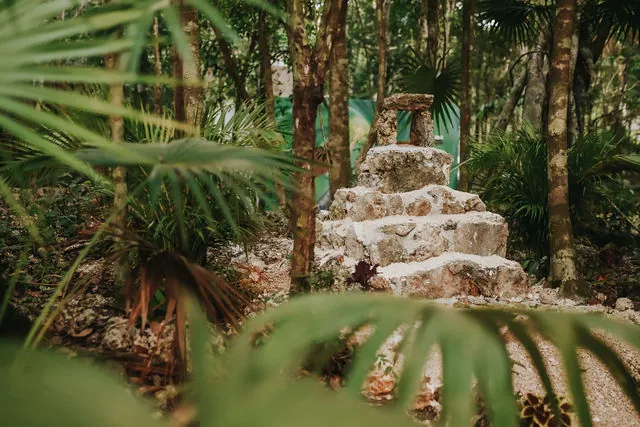
The land is quiet, green, and alive, with spaces for practice and ceremony - including a traditional temazcal - and an in-house kitchen that can be shaped around the retreat you are hosting or the healing you are seeking. If you are looking for a wellness retreat with chef Mexico that feels both spiritually grounded and professionally held, this is the kind of environment designed to carry the whole experience.
A retreat is not only what happens in the yoga shala or in the circle. It is what happens between those moments, when your body is being re-taught that it is safe to receive.
Let your meals be part of the medicine. Let the food be simple, beautiful proof that you do not have to do it all yourself right now.


Comments