Solo Wellness Retreat Riviera Maya: Go Alone, Heal Deep
- Nico

- Feb 16
- 6 min read
Updated: Feb 21

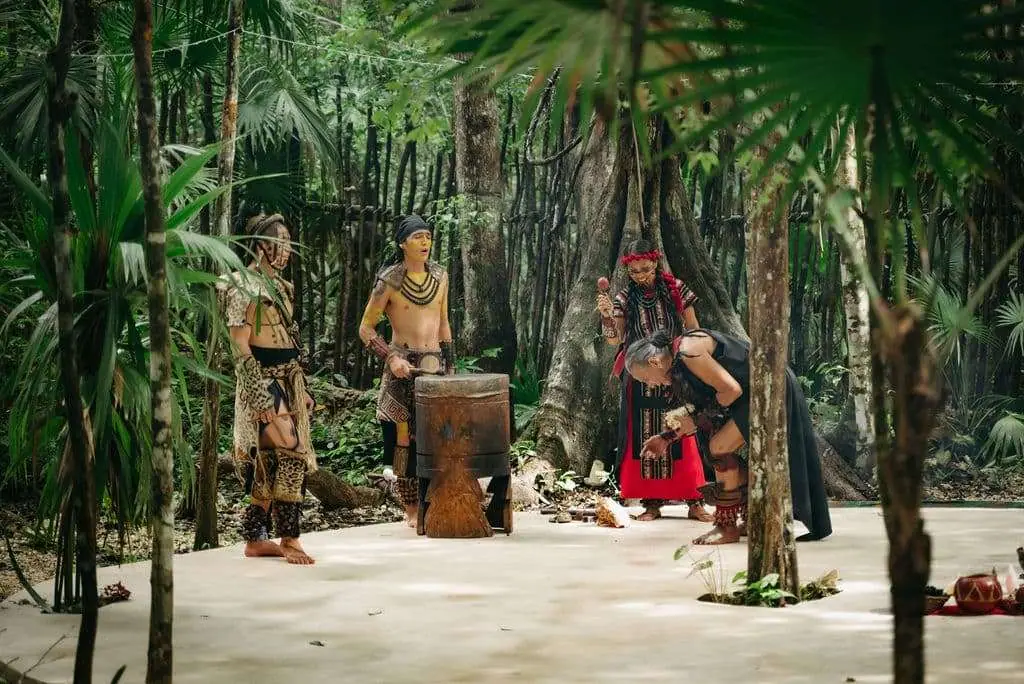
Enjoy Solo Wellness Retreat at Lunita Jungle Riviera Maya Mexico
You can feel it before you can explain it.
A solo trip stops being a vacation the moment you realize you are no longer performing for anyone. No checking in. No negotiating plans. No keeping pace. In the Riviera Maya, that shift can be profound, because the land itself invites a different rhythm - humid jungle air, birdsong at dawn, ocean salt at the edge of town, and limestone cenotes that ask you to listen more than you speak.
A solo wellness retreat Riviera Maya is not automatically healing just because it looks beautiful on a feed. The place matters. The support matters. And the intention you bring matters. Below is a grounded way to think about going alone so your retreat becomes a true reset - emotionally, spiritually, and physically - without over-scheduling your own transformation.
Why a solo wellness retreat in the Riviera Maya feels different
There are destinations that energize you with stimulation, and destinations that soften you into yourself. The Riviera Maya can do both, which is exactly why it works so well for solo wellness.
The region holds a rare mix: Caribbean water for nervous system downshifting, jungle density for privacy and introspection, and living cultural roots that remind you wellness is not just personal optimization - it is relationship with the earth, with ritual, with community, with time.
If you are craving solitude, the jungle offers a kind of anonymity that feels safe rather than lonely. If you are craving gentle connection, the Riviera Maya is full of facilitators, bodyworkers, ceremony spaces, and small group experiences where you can be witnessed without being overwhelmed.
The trade-off is that the Riviera Maya is also a major travel corridor. That means you will need discernment. The most “convenient” option is not always the most nourishing one.
What “solo” really means (and what it does not)
Many people imagine solo travel as total independence. In healing work, that is not always the goal.
Solo can mean you are not caretaking anyone else, not merging with a partner’s preferences, and not absorbing a friend’s energy. It can also mean you choose a supportive container where someone else holds the logistics so you can actually rest.
If you are moving through grief, burnout, a life transition, anxiety, or a period of spiritual questioning, having structured support can be the difference between a relaxing trip and a meaningful turning point.
On the other hand, if you are already steady and simply need quiet, you may prefer more spacious days with only one anchored session.
It depends on where you are in your own cycle.
Choosing the right container for your retreat
The word “retreat” gets used loosely. For solo travelers, it helps to name what you are truly seeking: rest, emotional release, clarity, embodiment, reconnection with spirit, or a combination.
Here are the three most common containers, and the honest trade-offs.
A resort stay with spa services can be wonderful for pure decompression. You will likely have polished amenities and predictable comfort. The downside is that the environment may feel performative or busy, and your healing may stay on the surface if you are craving depth.
A self-guided rental can be private and budget-flexible. If you are already skilled at regulating your nervous system, journaling, and creating your own structure, this can feel empowering. The downside is decision fatigue - you become your own planner, chef, and timekeeper, which can quietly recreate the stress you were trying to leave.
A guided retreat center offers a middle path: nature immersion plus intentionally chosen sessions, nourishment, and human care. The downside can be that some places are too scheduled, or the style of facilitation does not match your beliefs. This is where asking the right questions matters.
Questions to ask before you book anything
When you are traveling solo, clarity becomes a form of safety.
Ask about the physical setting. Is it in town, on the beach, or in the jungle? Each supports a different nervous system need. Town brings convenience and movement. Beach brings openness and breath. Jungle brings containment and deep quiet.
Ask about the level of support. Is there on-site staff at night? Is transportation coordinated? Are meals included, and can dietary needs be honored without you having to fight for them?
Ask about the healing orientation. Are offerings trauma-informed? Is ceremony approached with cultural respect and clear consent? Do you feel pressured into peak experiences, or invited into a paced, grounded process?
Ask about community. Will you be alone the entire time, or is there optional shared space? Many solo travelers want a private room and quiet mornings, but also appreciate a warm face at dinner.
A simple structure for a 4- to 7-day solo retreat
The biggest mistake in solo wellness travel is filling every hour because you are afraid of empty space. The empty space is often where the truth arrives.
If you want a retreat that actually lands in your body, aim for one core anchor per day, plus plenty of integration.
Your anchor might be bodywork, a somatic session, a private yoga class, therapy or coaching, a temazcal, a breathwork journey, or a guided cenote visit approached as reverent nature connection rather than a checklist.
Then build your day around three gentle rhythms.
First, a slow morning. Wake without rushing. Hydrate. Step outside. Let your eyes meet green. Journal one page, not five. Ask a single question: “What is my body asking for today?”
Second, a midday practice. Do your anchor session when you have energy and when facilitators are present. Eat afterward. Rest. Let your nervous system absorb what moved.
Third, an evening closing. Sunset walk, restorative stretching, a simple prayer, or quiet time under the stars. If you do ceremony or intense emotional work, keep your evening soft. Integration is not dramatic. It is quiet.
Safety and ease for solo travelers in the Riviera Maya
Safety is not only about avoiding danger. It is also about staying regulated so you can feel what is true.
Choose transportation you trust, especially at night. If you are going off the beaten path, plan your rides ahead rather than improvising when you are tired.
Let at least one person at home know your general itinerary and check-in rhythm. You do not need to be monitored. You just need a thread of accountability.
Notice how your body responds to a place. If you feel pressured, dismissed, or confused by unclear communication, take it seriously. A retreat should feel like a clear yes, not a persuasive pitch.
And remember that solitude can amplify things. If you are actively struggling with mental health, consider a guided container with experienced practitioners rather than total isolation.
What to pack when your goal is healing, not hustle
Pack fewer outfits than you think, and more softness than you expect.
Bring one layer for evenings, lightweight breathable clothing, comfortable walking shoes or sandals, swimwear for cenotes or ocean, a journal you will actually use, and a small ritual item that connects you to home - a scarf, a stone, a meaningful photo.
Skip anything that turns your retreat into a production. If you want to feel beautiful, choose ease. The jungle does not require perfection.
When you are ready for deeper work
Sometimes you are not just tired. You are at the edge of a chapter.
That is when a solo retreat can become a rite of passage - not because it is intense, but because it is honest.
If you feel called to ceremony, choose spaces that are explicit about consent, preparation, and integration. A real facilitator will not rush you. They will ask about your health, your medications, your emotional readiness, and your intentions. They will also respect a no.
If you feel called to bodywork, choose practitioners who communicate clearly and professionally. Deep release work can be powerful, and it deserves a safe container.
If you feel called to nature as medicine, give yourself time for it to work. A cenote visit can be playful, yes, and it can also be a quiet return to wonder if you arrive slowly and let the water teach you.
A note on places that hold you well
The most nourishing solo retreats tend to share a few qualities: they are organized without being rigid, warm without being invasive, and rooted in the land rather than built on aesthetics alone.
If you are looking for a jungle-based sanctuary near Puerto Morelos that can curate personal healing retreats with ceremony, bodywork, nourishing meals, and private spaces for deep rest, Lunita Jungle Retreat Center is one example of a heart-led, professionally supported container in the Riviera Maya.
Let your retreat be simple enough to be real
You do not need to fix your whole life in a week.
Go alone so you can hear yourself again. Choose a pace your body can trust. Let the land hold you long enough that you stop bracing for what is next.
And when you return home, keep one small promise you made to yourself while you were away. That is how the retreat stays with you.


Comments