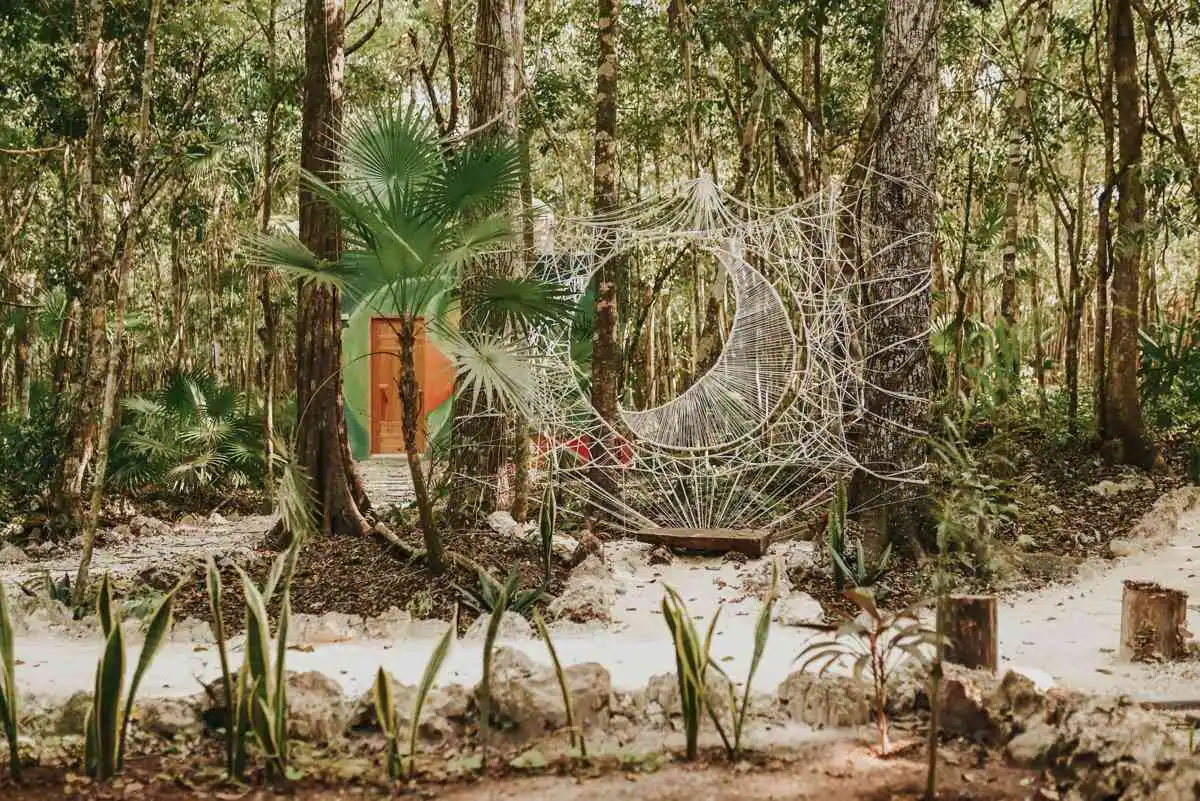
Jungle Retreat Venue With Private Cabanas
- Lorenza Rossi
- 3 days ago
- 5 min read
The difference is often felt at night.
After a full day of practice, ceremony, or honest conversation, people do not always want to return to a standard hotel hallway and fluorescent lighting. They want to hear the jungle breathing around them. They want a private space to integrate. A jungle retreat venue with private cabanas offers something many venues cannot - real quiet, real privacy, and a setting that supports transformation instead of interrupting it.
For retreat leaders, that difference shapes the entire arc of a program. For guests, it can be the reason a retreat feels restorative rather than overpacked. The setting matters, but not only for its beauty. It matters because healing asks for the right container.
Why a jungle retreat venue with private cabanas feels different
Not every beautiful venue is a retreat space. Some places photograph well but feel scattered once a group arrives. Others can host events, yet they do not hold the emotional and spiritual depth that many wellness, coaching, and ceremonial experiences require.
A jungle setting changes the pace immediately. The nervous system responds to natural sound, filtered light, fresh air, and the sense of being held by living land rather than concrete walls. That does not mean every guest arrives ready to drop in right away. Some people need time. Some need structure. Some need solitude before community. Private cabanas help make room for all of that.
Instead of asking every participant to process in shared quarters, cabanas create personal refuge. That privacy can be especially meaningful after bodywork, breathwork, grief work, couples sessions, or ceremonial experiences. People can rest, journal, shower, sleep, or simply be with themselves without needing to perform wellness in front of anyone else.
This is where a true retreat venue separates itself from a resort. A resort is built for entertainment and convenience. A retreat center is built to support intention.
The value of private cabanas in a retreat experience
Private accommodations are not just a luxury upgrade. In many retreat formats, they are part of the care model.
When guests have their own cabana, they have space to regulate after emotionally charged sessions. Couples have room to reconnect in private. Facilitators can preserve the group field without forcing constant closeness. Even high-functioning corporate teams benefit from this rhythm. Collaboration deepens when people also have space to decompress, reflect, and return with clarity.
There are trade-offs, of course. Shared lodging can foster quick bonding and lower costs. For some groups, that makes sense. If a retreat is geared toward younger travelers, shorter stays, or a more social format, shared rooms may fit the purpose. But for deeper healing work, longer immersions, executive leadership groups, or guests carrying stress, grief, burnout, or life transition, private cabanas often create a more grounded experience.
Privacy also supports better sleep, and better sleep changes everything. A guest who rests well is more present in morning practice, more open in sessions, and less likely to hit emotional overload by day three.
What retreat leaders should look for in a jungle venue
A strong venue does more than provide rooms and a beautiful backdrop. It needs to support the work itself.
First, look at whether the property has dedicated spaces for practice and integration. A yoga shala, meditation areas, ceremonial spaces, and quiet corners all matter because retreat days are layered. Guests move from movement to meals to workshops to rest to ritual. If every activity happens in the same room, the experience can start to feel compressed.
Second, consider whether the venue understands retreat flow. This is one of the biggest differences between a hospitality property and a retreat partner. Retreats require timing, sensitivity, and flexibility. Meals may need to align with ceremony schedules. Transportation may need to support offsite experiences like cenotes or cultural excursions. Facilitators may need help coordinating bodywork, private sessions, or custom add-ons without losing presence with the group.
Third, ask how the venue relates to the land and local culture. A jungle retreat should not treat the natural setting as a theme. The strongest spaces carry reverence. They create experiences that honor place, especially when including sacred practices, traditional healing elements, or culturally rooted ceremonies.
That balance matters. Guests want authentic connection, not spiritual performance. Leaders need a space that can hold depth with integrity.
What guests are really looking for
People often say they want nature, privacy, and wellness amenities. Usually they want something even deeper.
They want to feel safe enough to soften. They want beauty, yes, but also a sense that they do not need to manage every detail. They want nourishing food, thoughtful guidance, and accommodations that let them retreat inward without feeling isolated.
A jungle venue with private cabanas works well for this because it offers both intimacy and support. A guest can spend the morning in a group practice, receive bodywork in the afternoon, take a quiet walk beneath the trees before dinner, and return to a personal sanctuary at night. That rhythm allows healing to unfold naturally instead of being pushed.
For couples and families, private cabanas also create emotional spaciousness. Shared retreat environments can be meaningful, but they are not always ideal for vulnerable conversations, parenting rhythms, or relationship repair. A private dwelling makes it easier to move at your own pace.
The role of design in a healing container
The best retreat environments are intentional down to the smallest details.
This includes how the pathways move through the property, where guests gather, where they can be alone, and how sound carries from one area to another. It includes whether the dining experience feels nourishing rather than transactional, whether ceremony spaces feel protected, and whether staff know how to care for people with warmth and discretion.
Nature alone is not enough. A jungle can be wild, beautiful, and overstimulating at the same time. The role of the venue is to create a container within that landscape - one that feels welcoming, grounded, and clear.
That is why professionally supported retreat production matters. Leaders should not have to choose between a spiritually aligned setting and operational excellence. They need both. The most trusted retreat centers combine heart-led hospitality with strong planning, onsite support, and clear communication before guests ever arrive.
When this format is the right fit - and when it may not be
A jungle retreat venue with private cabanas is especially well suited for wellness retreats, yoga immersions, couples retreats, leadership gatherings, grief retreats, ceremonial work, and personal healing journeys. It also serves mission-driven teams that want more than a conference room and a few trust-building exercises.
Still, this format is not for everyone. If a group wants nightlife, dense city access, or a highly polished luxury-resort atmosphere, a jungle property may feel too quiet or too elemental. If a program is built around nonstop social interaction, private accommodations may reduce some of the casual group bonding that happens in shared spaces.
But for people seeking real renewal, that quiet is usually the point.
At a place like Lunita Jungle Retreat Center, the intention is not to distract guests from themselves. It is to let the land hold them while experienced hosts and practitioners support the process with care.
Choosing a venue that can hold transformation
The question is not simply whether a place has cabanas in the jungle. The real question is whether the venue knows how to hold people through what the setting opens.
That means clear retreat logistics, beautiful and functional accommodations, nourishing meals, strong facilitation support, and spaces that welcome both ceremony and rest. It means honoring privacy without losing community. It means understanding that healing is not a scheduled activity squeezed between sightseeing and dinner. It is a full-body, whole-person process.
When a venue gets that right, guests feel it. Leaders feel it too. The retreat becomes less about managing moving pieces and more about serving what brought everyone there in the first place.
If you are choosing where to host, gather, or restore, look for the place where the environment and the support are working together. The right jungle sanctuary does not just give you a room for the night. It gives you space to return to yourself.


Comments