Family Wellness Retreat Mexico: What It Really Takes
- Nico

- Feb 18
- 7 min read
Updated: 6 days ago

You know that moment on a family trip when everyone is technically together - but nobody is actually connecting? One kid is melting down, another is glued to a screen, and the adults are doing that quiet math of, “If I can just make it to bedtime, I’ll feel human again.”
A family wellness retreat in Mexico can be the opposite of that. Not a packed itinerary you survive, and not a luxury resort that leaves you just as tired - only sunburned. Done well, it is a gentle reset where the nervous system settles, the family rhythm softens, and each person gets what they actually need: space, support, and time in nature.
Why a family wellness retreat in Mexico hits differently
Mexico is close enough for many US families to travel without turning it into an endurance sport. But the deeper reason people feel changed here is less about convenience and more about environment.
When your days are held by warm air, birdsong, open sky, and living jungle, the body downshifts. Stress becomes less “sticky.” Sleep deepens. Even tough conversations often land more kindly. For families, that shift matters because kids regulate through their surroundings and through you. If the adults can finally exhale, the whole system has a chance to reorganize.
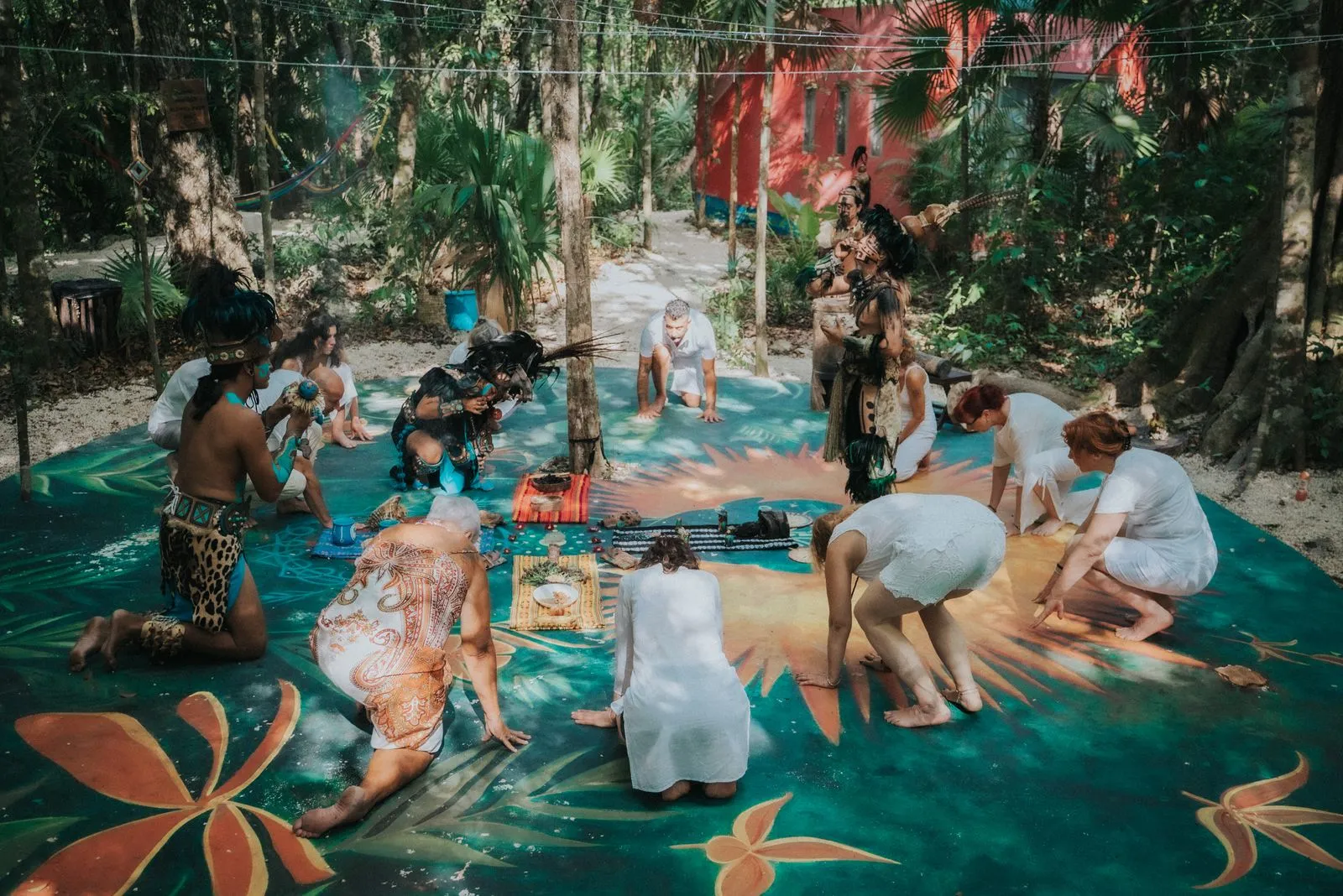
Mexico also holds a strong lineage of earth-honoring practices - traditions that remind us healing is not a performance. It is relationship: with the body, with the land, with the unseen, and with each other. The best retreat spaces treat that cultural context with respect, not as entertainment.
What “wellness” should mean for a family
Family wellness is not everybody doing the same thing at the same time. It is not forcing your teen into yoga at sunrise, or expecting your toddler to sit still in a meditation circle.
Real family wellness has range. It supports different ages, different energy levels, different emotional seasons. Sometimes that looks like shared experiences that build trust and laughter. Sometimes it looks like parallel support - your child in a playful, supervised activity while you get bodywork, counseling, or a quiet hour to read without listening for footsteps.
And sometimes wellness is simple and honest: consistent meals, safe water, shade, naps, and a pace that does not punish sensitivity.
The most common mismatch
Families often book a “wellness” stay that is really designed for adults traveling without children. Then everyone feels like they are in the way.
If you are planning a family wellness retreat in Mexico, look for a place that welcomes children as whole humans - not as an exception to be managed. That does not mean a kids club with endless sugar and cartoons. It means thoughtful design, clear boundaries, and staff who know how to hold a calm container.
The non-negotiables: safety, support, and nervous system care
A retreat can be beautiful and still not be right for a family. Before you get swept up by aesthetics, get grounded in what will make the experience genuinely restorative.
Start with physical safety. You want clean accommodations, strong communication, and staff who are present. If you are going into jungle or rural settings, ask how they handle transport, medical access, food safety, and supervision during activities.
Then look at emotional safety. Families arrive carrying invisible backpacks: grief, transitions, burnout, postpartum depletion, divorce stress, school anxiety, neurodivergence, chronic illness. A solid retreat team will not promise to “fix” your family in a weekend. They will offer skilled support, clear consent practices, and options. Choice is what helps the nervous system soften.
Finally, prioritize nervous system care over intensity. A retreat that pushes catharsis without integration can be destabilizing, especially for children and teens. Healing can be deep and still be gentle.
What to look for in a family wellness retreat Mexico
Marketing language is easy. Lived experience is what matters. As you evaluate options, pay attention to the architecture of the retreat, not just the activities.
Nature immersion that is real, not decorative
A beach is beautiful, but many families actually rest more deeply when they are in a quieter ecosystem, away from crowds and constant stimulation. Jungle settings can offer that cocoon feeling - lush, private, and alive.
Ask yourself: will we hear traffic and nightlife, or birds and wind? Will there be spaces to wander safely, sit quietly, and feel held by the land?
Lodging that supports family rhythms
Families need privacy and flexibility. Shared dorm-style rooms can be bonding for adults, but they can also create tension when a child wakes early or needs downtime.
Look for layouts that let you be together without being on top of each other - separate cabanas, family suites, or configurations that allow naps, early bedtimes, and quiet mornings.
Nourishment that actually nourishes
Food is not a side detail - it is the foundation of mood, sleep, and resilience.
For families, it helps when meals are included, thoughtfully prepared, and easy to digest. Ask about allergies, sensitivities, and kid-friendly options that are still nutrient-dense. A good retreat kitchen does not shame picky eaters. It meets them with warmth and creativity.
Facilitators who can work with families, not just individuals
A powerful yoga teacher is not automatically a family facilitator. If the retreat includes workshops, circles, or ceremonies, ask who is leading them and what training they have in trauma-informed practice, child development, and consent.
This matters even more with spiritually oriented offerings. Ceremony can be profoundly healing, but it should never be coercive, theatrical, or casually offered to children without careful consideration.
Experiences that tend to serve families best
Every family is different. Ages matter. Temperaments matter. Your reasons for coming matter.
But there are a few experiences that consistently support both depth and ease.
Cenote visits, for example, often create organic awe - that quiet reverence that naturally brings people into presence. Gentle bodywork helps kids and adults alike come back into their bodies without having to “talk it out.” Family circles, when facilitated skillfully, can open communication without turning into group therapy.
If a temazcal (traditional sweat lodge) is offered, treat it with respect and discernment. For some families, it becomes a sacred memory of bravery and trust. For others - especially with very young children, pregnancy, certain medical conditions, or anxiety - it may not be the right fit. A responsible center will screen carefully and offer alternatives.
The trade-offs: resort comfort vs retreat depth
It depends on what your family actually needs right now.
A resort can be easy. You may get predictable amenities, lots of entertainment, and minimal friction. If your family is depleted and you want pure simplicity, that might be the medicine.
A retreat center, on the other hand, is built for intention. The environment is usually quieter and more relational. The programming may be more meaningful. The support can be more personal. The trade-off is that you are stepping into a different pace, sometimes with fewer “instant gratification” options.
If your goal is transformation - not in a dramatic way, but in the sense of reweaving connection - a retreat setting tends to offer more of what actually changes things.
How to choose the right retreat for your family
Listen for how a place talks about families. Do they sound prepared, or are they simply willing?
Ask direct questions. What is the typical age range of children who come? Is there staff support for family activities? How do they handle boundaries around quiet hours? What is the plan if a child is struggling emotionally? Is there a clear structure, or will you be improvising while also trying to rest?
Also ask yourself one honest question: do we want shared healing, or do we mainly want rest?
If you want shared healing, look for guided experiences that include family attunement, communication practices, and integration time.
If you mainly want rest, choose a retreat that is light on schedule and heavy on supportive essentials: nature, nourishing food, comfortable sleep, and optional sessions.
One example of a nature-based, spiritually grounded option in the Riviera Maya jungle is Lunita Jungle Retreat Center, which is designed as a safe container for renewal with ceremonial spaces, private jungle cabanas, and curated wellness experiences that can be shaped around family needs.
Planning details that make the retreat feel easy
The most healing retreats are often the best organized.
If you are traveling from the US, choose flights that protect your first night. Late arrivals plus early programming can set everyone up to feel behind from the start. Consider building in a buffer day where the only agenda is settling in, eating well, and sleeping.
Pack less than you think, but bring what supports regulation: a familiar bedtime item for kids, a journal, a light layer for evenings, and shoes you can actually walk in. If screens are a sticking point at home, decide your approach before you arrive. Some families go screen-free. Others choose a simple boundary like “only in the evening.” The goal is not perfection - it is presence.
A gentle expectation that helps
Do not expect harmony 24/7 just because you are in paradise. Travel can amplify emotions before it settles them. If the first day feels messy, that is not failure. That is your system releasing pressure.
Give it time. Let the land do what it does best: slow you down until you can hear each other again.
A closing thought
When families choose a wellness retreat, they are often reaching for something simple and brave: the feeling of being on the same team again. Mexico can offer beauty, warmth, and unforgettable experiences, but the real gift is quieter - a return to rhythm. Choose the place that honors your family as you are, and let restoration be measured not by how much you did, but by how gently you came back to yourselves.


Comments