


Family Wellness Retreat Activities in Nature
- Lorenza Rossi
- 6 hours ago
- 6 min read
A family does not usually need more entertainment. It needs more space to breathe together. That is why family wellness retreat activities in nature can feel so different from a typical vacation. The nervous system softens. Conversations come back. Children stop being managed every minute, and adults stop performing competence long enough to simply be present.
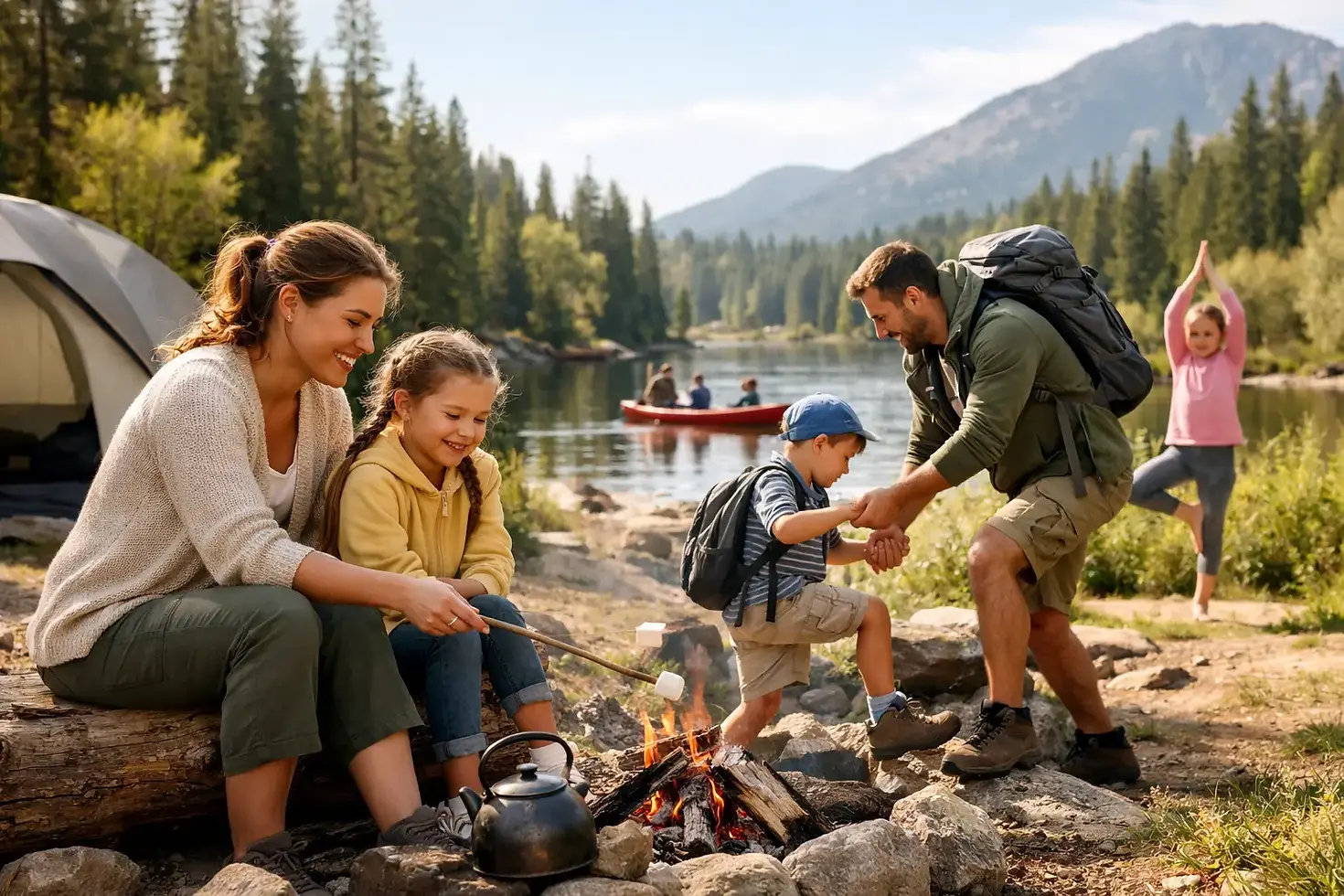
When a family steps into a natural setting - a jungle path, a cenote edge, a garden at dawn, a quiet fire circle under the trees - the land begins doing part of the work. Nature invites regulation without forcing it. It offers rhythm, wonder, and just enough slowness for people to hear themselves again. The best retreat activities are not about filling a schedule. They are about creating a safe container where connection, play, and healing can happen naturally.
What family wellness retreat activities in nature should actually do
A good family retreat program supports the whole family system, not just the adults and not just the kids. That means each activity should carry more than one purpose. A mindful walk might help a parent release stress while giving a child a sensory adventure. A simple outdoor art ritual can become a way for siblings to cooperate without pressure. A shared meal in an open-air setting can be both nourishment and repair.
This is where many retreats get it wrong. If the itinerary is too packed, families become exhausted. If it is too loose, parents end up doing all the emotional and logistical labor. The sweet spot is intentional structure with room to exhale. There is guidance, but not rigidity. There is a plan, but also enough spaciousness for mood, weather, age, and energy level.
For families, wellness in nature is rarely about achieving a breakthrough on command. More often, it is about returning to simple experiences that regulate the body and reopen trust - listening to birds in the morning, floating in water, stretching together, sitting in silence for thirty seconds longer than usual, laughing during a game that asks nothing from anyone except presence.
The most meaningful family wellness retreat activities in nature
The strongest retreat experiences tend to blend movement, rest, ritual, and play. Each one reaches a different part of the family experience.
Mindful walks that slow the pace of the family system
Walking together in nature sounds simple because it is simple. That is part of its power. A guided walk through forest, jungle, beach trail, or garden helps families shift out of rushed habits and into shared attention. Children begin to notice textures, insects, leaves, sounds, and patterns. Adults begin to breathe more deeply without having to be told to relax.
The key is not turning the walk into a lesson. It works best when there is gentle invitation - notice five sounds, find something soft, walk in silence for one minute, share one thing you are grateful for. That kind of structure gives children enough focus while still allowing the experience to stay organic.
Family yoga and movement that welcomes all ages
Outdoor movement sessions can be deeply supportive when they are adapted for families rather than borrowed from adult wellness spaces. A family practice should feel playful, grounding, and inclusive. It might include partner stretches, animal-inspired poses, shaking out stress, balance games, and a short resting posture at the end.
This matters because many parents come to retreat already depleted. They may want healing, but they are still tracking everyone else. A well-held family movement class softens that burden. No one needs to perform. Everyone gets to arrive as they are.
Water-based experiences that regulate and restore
Natural water has a special ability to settle the body. Swimming, floating, wading, or simply sitting near a cenote, river, lake, or ocean can create a profound state of calm. For children, water often opens joy and sensory freedom. For adults, it can feel cleansing, quieting, and emotionally clarifying.
Of course, this is where safety and skillful facilitation matter. Not every family is equally comfortable in water, and younger children may need more structure than parents expect. But when it is held well, water-based retreat time can become one of the most memorable forms of healing a family shares.
Nature-based creative rituals
Families often communicate more honestly when they are making something with their hands. Nature mandalas, leaf printing, gratitude altars, clay play, and journal prompts done outdoors offer a low-pressure path into reflection. A child who does not want to discuss feelings directly may gladly build a small altar of stones and flowers. A parent who struggles to slow down may settle while sketching plants beside their child.
These rituals do not need to be elaborate. What matters is intention. Creating something together from natural elements helps family members feel part of a living environment rather than separate from it.
Shared rest as a real activity
Rest is often the missing piece. Families are used to scheduling action, not recovery. Yet lying in hammocks, listening to rain, practicing guided relaxation under the trees, or sitting quietly before dinner can be one of the most healing parts of a retreat.
This kind of rest is not empty time. It is integration. It gives the nervous system a chance to catch up with the experience. It also teaches children that stillness is not punishment. It can be comforting, safe, and even beautiful.
Ritual, culture, and the question of depth
Some families are looking for light reconnection. Others are open to something more spiritual. Both are valid, but they require different design.
A retreat can include rituals like gratitude circles, intention setting, candle ceremonies, or sound healing in ways that feel accessible and welcoming. More ceremonial experiences require care, cultural respect, and clear consent. Families should never feel pushed into spiritual language or practices that do not align with their values.
At the same time, many families are hungry for depth. They want their time away to mean something. In a thoughtfully held setting, even simple rituals can carry real medicine. A sunrise prayer, a closing circle, or a gentle family blessing before a meal can create the sense that this time together is sacred, not just recreational.
In places rooted in strong land traditions, such as a jungle sanctuary with reverence for Mayan wisdom, that depth can be especially powerful when offered with integrity. The environment itself becomes part of the healing container.
How to choose activities for different ages and family dynamics
Not every activity belongs in every retreat. Age range, temperament, sensory needs, and family history all shape what will feel supportive.
For younger children, short and embodied experiences tend to work best. They need movement, sensory engagement, and clear transitions. Teenagers usually respond better when activities allow autonomy and avoid forced vulnerability. Parents may want deeper healing work, but if children are not resourced, the whole family feels it.
There is also a trade-off between togetherness and individual care. Family bonding matters, but so does giving people room to have their own experience. Sometimes the most healing design includes a parallel rhythm - kids in a nature craft session while adults receive bodywork or guided meditation, then everyone reconvenes for a shared meal or evening circle.
This is one reason personalized retreat design matters so much. What serves a family with toddlers will not serve a family with grieving teenagers. What helps a blended family may be different from what helps a close-knit one that simply feels overstretched.
Why setting changes everything
The same activity can feel ordinary in one place and transformative in another. Environment is not background. It shapes the pace, emotional tone, and sense of possibility.
A natural setting with privacy, beauty, and intentional design helps families soften their defenses. Open-air spaces invite breathing room. Paths through the trees create small moments of discovery. Dedicated areas for movement, reflection, and ceremony help each part of the experience feel held.
This is where a true retreat center offers something distinct from a resort. At a place like Lunita Jungle Retreat Center, the setting is not just scenic. It is part of the care. The jungle, the ceremonial spaces, the nourishing meals, and the thoughtful guidance all support families in moving from overstimulation toward connection.
What families remember long after the retreat ends
They rarely remember the busiest moment. They remember the fireflies after dinner. The child who finally fell asleep peacefully. The conversation that happened while walking back from the water. The way breakfast felt slower, warmer, less transactional. The moment someone said, I feel like us again.
That is the quiet promise inside family wellness work in nature. Not perfection. Not constant harmony. Just a return to what matters, held by the land and supported with care.
If you are choosing retreat activities for families, choose the ones that make more room for presence, not more pressure to perform. Nature already knows how to teach connection. The right retreat simply helps families hear it.


Comments