What a Jungle Somatic Retreat Can Heal
- Nico

- 3 days ago
- 6 min read
There is a moment that happens for many people after the first night in the jungle. The phone is quiet. The body has finally exhaled. You begin to notice what your mind has been speaking over for months, sometimes years - the tight jaw, the held breath, the guarded chest, the fatigue that sleep alone has not touched.
That is often where real healing begins. Not with a breakthrough performance, but with listening.
A somatic healing retreat in the jungle offers something many people have been missing: a safe, natural container where the body is not treated as an afterthought. Instead, it becomes the place where healing is guided, witnessed, and allowed to unfold at its own pace. For retreat leaders, this setting creates depth that is difficult to manufacture in a conventional venue. For guests seeking renewal, it can feel like returning to a wisdom that was always there beneath the noise.
Why the body changes the healing process
Somatic healing works through the body, not just through insight. You may understand your patterns intellectually and still feel stuck in them. That is because stress, grief, trauma, and survival responses often live below language. They show up as hypervigilance, numbness, chronic tension, digestive issues, sleep disruption, emotional reactivity, or the inability to fully rest even when life appears stable.
In a somatic process, the goal is not to force catharsis. It is to build enough safety for the nervous system to soften. Breathwork, mindful movement, bodywork, touch, sound, ritual, and guided awareness can help release what has been braced inside. Sometimes that looks emotional. Sometimes it is subtle - steadier breathing, softer eyes, a sense of being more present in your own skin.
This is why environment matters so much. The body responds to context before it responds to instruction. If a place feels rushed, sterile, or overstimulating, the nervous system keeps guarding. If a place feels held, quiet, and intentional, healing work can go deeper with less force.
What makes a somatic healing retreat in the jungle different
The jungle does not heal you by itself. But it changes the conditions.
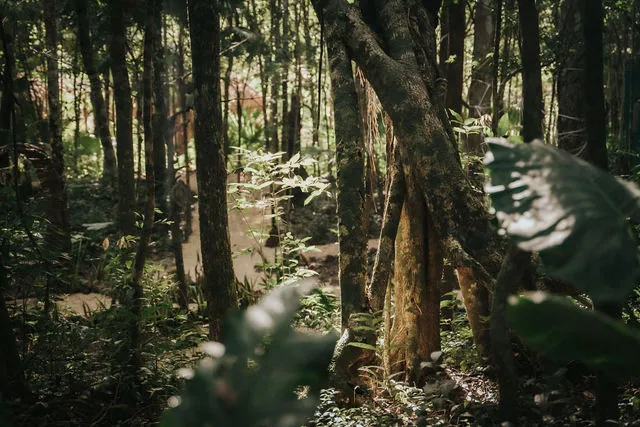
Nature immersion helps reduce the constant alertness many people carry. Instead of traffic, screens, and hard edges, there is birdsong, filtered light, rain on leaves, warm air, and the living rhythm of the land. That sensory field matters. It invites the body out of defense and into relationship.
A strong somatic retreat in a jungle setting also carries a different kind of structure. The days are often designed with spaciousness rather than over-scheduling. There may be movement in the morning, nourishing meals, body-based sessions, rest periods, ceremony, time in meditation spaces, and practices that reconnect people to the elements. The point is not to fill every hour. The point is to create enough support that the body no longer has to stay on guard.
When the setting is spiritually grounded, the experience can deepen even further. Sacred spaces, respectful ceremony, and connection to the land often help guests feel part of something larger than their stress story. For some, that brings emotional release. For others, it brings humility, tenderness, or relief.
What healing can look like in practice
People often arrive at a retreat believing they need to fix themselves. What they usually need is a place where they can stop performing wellness and begin telling the truth through the body.
That truth may emerge during a guided breathwork session, when the chest that has felt armored begins to open. It may happen in bodywork, when old tension starts to unwind and grief surfaces unexpectedly. It may come in the temazcal, where heat, prayer, and shared presence invite surrender. It may happen quietly after a nourishing meal, when your system realizes it is safe enough to receive care.
The outcomes vary. Some guests leave with a profound emotional shift. Others leave with something less dramatic but more sustainable - better sleep, less anxiety, clearer boundaries, more access to joy, and a felt sense of being grounded again. Both matter.
This is also where honest expectations are important. A retreat is not a magic reset that erases a lifetime of stress in four days. Deep healing usually continues after you return home. The value of retreat is that it can interrupt survival patterns long enough for a new baseline to become possible.
For retreat leaders, setting shapes the work
If you guide yoga, trauma-informed workshops, women’s circles, men’s work, spiritual intensives, or nervous system education, you already know that participant transformation depends on more than your curriculum. The venue itself becomes part of the facilitation.
A jungle retreat center that offers private cabanas, ceremonial space, a yoga shala, nourishing food, and strong onsite support allows leaders to focus on their guests instead of juggling logistics. That matters. When the operational side is well held, the energetic field is steadier. Participants feel the difference.
A somatic healing retreat in the jungle is especially effective for programs centered on embodiment, trauma sensitivity, emotional release, relationship repair, and spiritual renewal. The environment naturally slows people down. Sessions tend to land more deeply because guests are not stepping back into distraction between activities.
Still, discernment is essential. Not every beautiful jungle property is equipped to hold meaningful healing work. Leaders should look for a venue that understands pace, privacy, trauma awareness, cultural respect, and the real needs of group facilitation. A sacred setting needs professional support behind it.
The role of ritual, rest, and nourishment
Somatic healing is not only about release. It is also about receiving.
Many people are comfortable working hard on themselves. Far fewer know how to rest without guilt, eat slowly, or let care in. That is why the most effective retreats do not isolate healing into a single workshop. They weave it through the whole experience.
Ritual helps create meaning and transition. It marks the nervous system’s movement from ordinary time into intentional time. Rest gives integration a place to happen. Nourishment stabilizes the body so emotional work does not become depleting. Community, when facilitated with warmth and clear boundaries, reminds people they are not healing alone.
In a place like the Riviera Maya jungle, these elements can be held with both beauty and structure. Thoughtful accommodations, fresh meals, ceremonial spaces, time in nature, and guided experiences create a container where guests can soften without feeling unmoored. That balance matters, especially for people who want spiritual depth but also need to know they are in capable hands.
Who this kind of retreat is for - and when it may not be the right fit
This work can be powerful for people moving through burnout, grief, life transitions, emotional numbness, chronic stress, relationship strain, or a longing to reconnect with themselves. It can also serve couples, families, and teams who need a more embodied way of restoring trust, communication, and presence.
At the same time, a retreat is not the right next step for everyone. If someone is in acute crisis, newly destabilized, or seeking highly clinical care, a specialized therapeutic setting may be more appropriate. Somatic work can stir deep material, and that deserves respect. The best retreat spaces are clear about what they offer and what they do not.
For those who are ready, though, this kind of journey can be profoundly clarifying. It helps people move from analyzing their healing to inhabiting it.
At Lunita Jungle Retreat Center, this is the heart of the experience: a sanctuary where nature, ceremony, hospitality, and intentional care come together to support real transformation, not just a beautiful escape.
Choosing the right jungle retreat experience
If you are considering a retreat for yourself or planning one for your community, pay attention to how the space makes people feel before they even arrive. Is the language grounded and respectful? Is there clarity around accommodations, food, facilitation support, and healing options? Does the place honor both the sacred and the practical?
A strong retreat center will not promise instant enlightenment. It will offer a safe container, experienced support, and enough beauty, privacy, and structure for deeper work to emerge honestly. You can learn more at https://Www.lunitajungleretreat.com.
The body has its own timing. Sometimes healing begins the moment you stop asking it to keep up with a life that has asked too much, and let the land hold you while you remember how to come home to yourself.


Comments