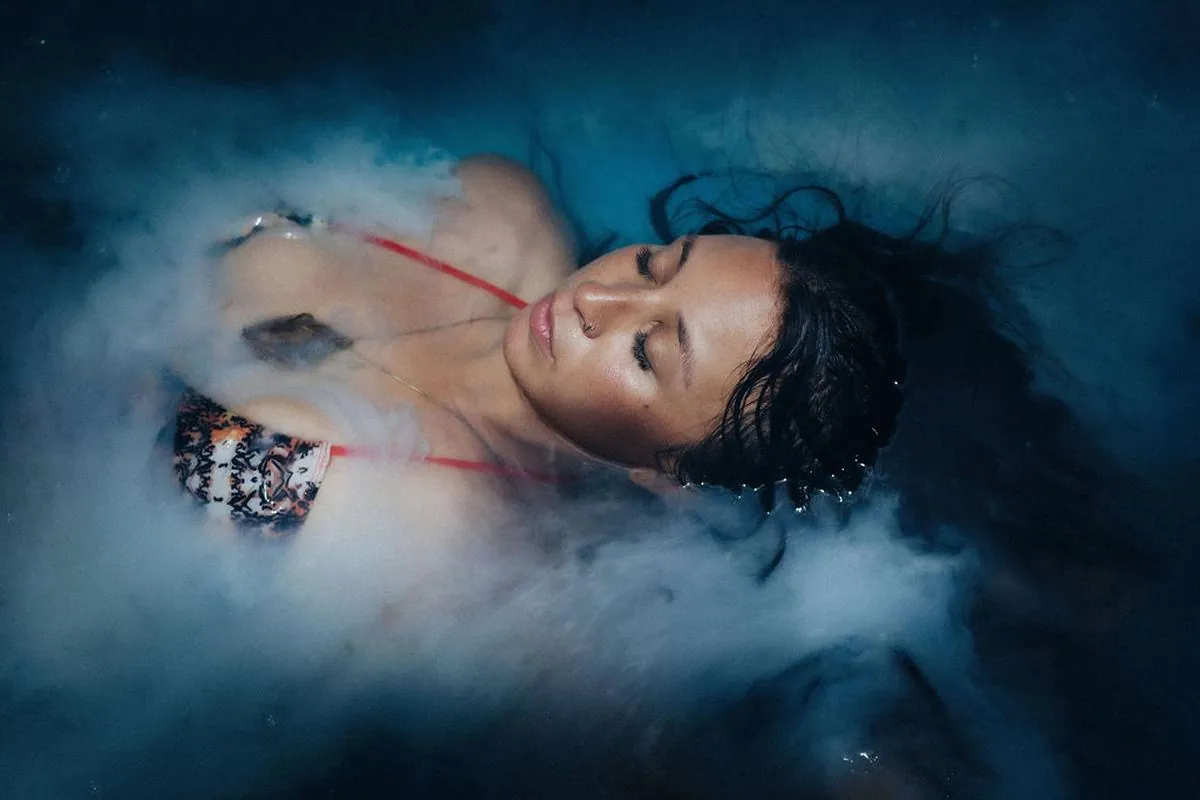
A Watsu (Janzu) session by the pool is a deeply restorative aquatic-healing practice where water, breath, and movement merge to guide you into profound relaxation. Floating effortlessly in warm water, supported by a practitioner, you're gently moved through flowing sequences that help the body release stored tension and the mind let go. At Lunita near Cancún, the serene poolside setting amplifies the experience. Here's what it involves. (It pairs naturally with sound healing and meditation.)
What a Watsu session is
Watsu ("water shiatsu") originated in the 1980s as aquatic bodywork combining gentle stretches, movement, and massage in warm water. Janzu draws on aquatic-healing traditions from Mexico, emphasizing surrender and fluidity; Aguahara is another variation with intuitive flow. Each name carries nuance, but the essence is the same, healing through water, surrender, and trust.
Why it's so restorative
Warm-water immersion is profoundly relaxing and supports the body's relaxation response. Floating creates a weightless, almost womb-like sensation that reduces the load on the nervous system, giving it a genuine reset, many guests describe a depth of calm that's hard to reach on land. Held honestly as deep relaxation and release rather than a medical treatment, it's especially soothing for those carrying tension or stress.
The element of trust
Being fully supported by another person in water creates an intimate, safe space for surrender, which is part of what makes the practice so moving. It's gentle, guided, and suitable even if you're not a confident swimmer, and it complements temazcal and the rhythm of a personal retreat.
A session like this fits naturally into a personal retreat, where the days are built around what your body needs.
What a session is like, minute by minute
You enter the warm water and the practitioner supports you, usually with floats at the legs, your head resting on their arm or shoulder, ears just below the surface. Then movement begins: slow, continuous, rocking and stretching, your body moved through the water in arcs and spirals you never initiate. Sound changes underwater; breath becomes audible; time loses its edges. Sessions run forty-five minutes to an hour. Most people describe the end as waking from a sleep they did not know they entered.
Watsu and Janzu, the difference in the body
Watsu, born from Zen shiatsu in warm water, works the body's meridians and joints through gentle stretching and pressure, held and moved by the practitioner throughout. Janzu, developed in Mexico, moves more toward the meditative: longer stillness, slower arcs, and moments where the body is guided just beneath the surface with the breath held, which produces a distinctive letting go. In practice the two blend, and a good practitioner reads which the body wants that day. Both are done in silence, both in water warm enough that the body forgets where it ends.
Who it suits, and after
People who cannot let go on land: those who hold tension in the neck and back, those who find touch difficult until it is weightless, people in grief, people in the middle of an intense retreat who need an hour of pure receiving. Afterward: rest, water, no plans. The cenote-fed pool here holds a session well because of what surrounds it, jungle sound and warm air rather than tiles and echoes. Sessions are booked on their own or within a stay; they are listed on our service menu alongside the other bodywork. If floating leaves you wanting more time in water, snorkeling the reef and marine cenote in Puerto Morelos is a short outing from Lunita that fits the wider rhythm of a retreat.
Explore the retreats at Lunita.